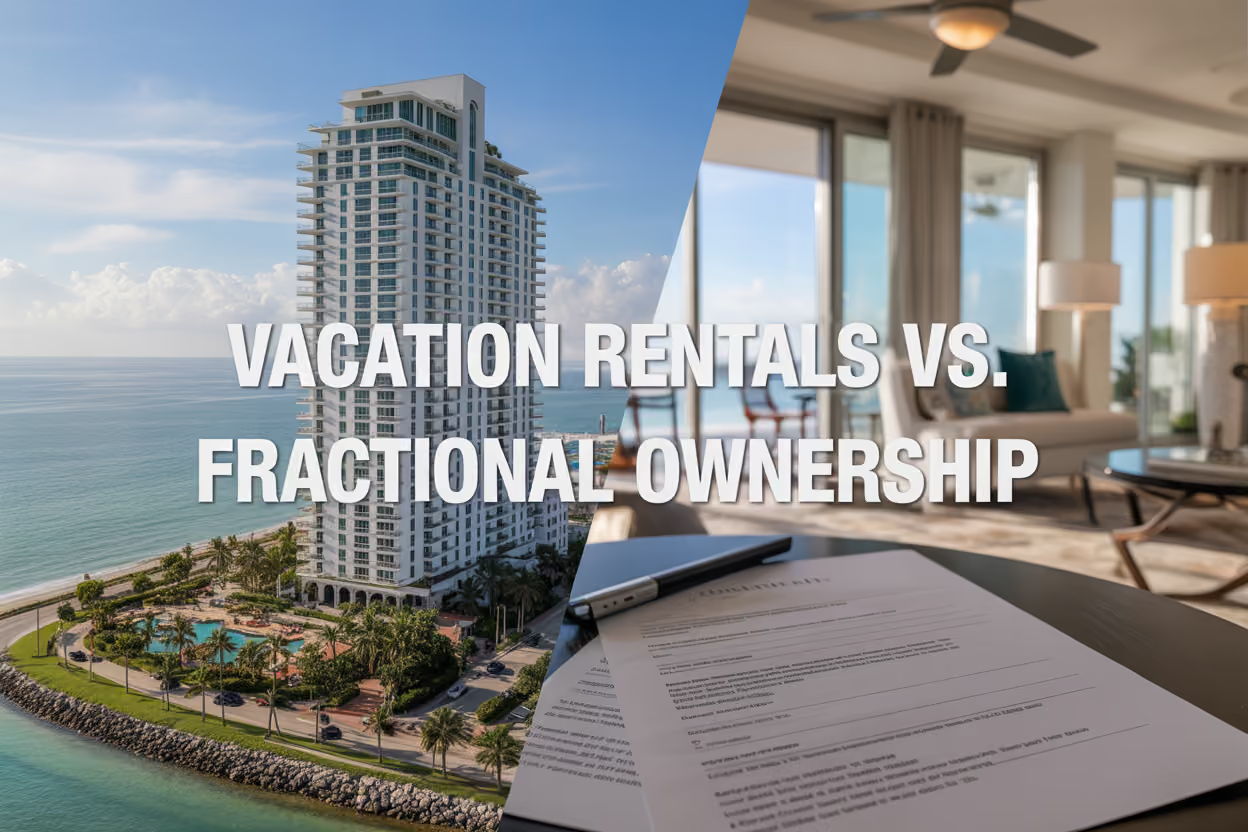
Understanding the Key Differences Between Vacation Rentals and Fractional Ownership

Property ownership vs. usage rights explained
When you choose fractional ownership, you're purchasing an actual equity stake in real estate with a deeded ownership interest that can appreciate in value over time. This means you legally own a portion of the property's title, giving you the same rights as any property owner. In contrast, vacation rentals only provide you with usage rights for specific time periods without any ownership benefits or equity accumulation.
Number of co-owners and scheduling flexibility
Fractional ownership typically limits ownership to 6-14 parties per unit, allowing you to enjoy five weeks or more of annual access to your property. This smaller ownership group creates more scheduling flexibility compared to timeshares that can have up to 52 owners competing for just one to two weeks annually. With fewer co-owners, you'll have greater opportunity to coordinate your preferred vacation times and enjoy extended stays at your property.
Ownership ModelEquity BenefitsInvestment PotentialFractional OwnershipProperty appreciation builds equityReal estate tends to appreciateVacation RentalsNo equity accumulationValue typically depreciates
Your fractional ownership acts as a traditional real estate investment that can grow in value with the market. As property values increase in desirable locations, your ownership share appreciates accordingly, potentially providing significant returns when you decide to sell. Vacation rentals offer no such investment benefits since you're only purchasing time-based usage rights.
Management control and decision-making authority
With fractional ownership, you and your co-owners can make joint decisions about property management, including hiring professional management companies or handling maintenance responsibilities. You have a voice in major decisions affecting your investment, from renovations to operational policies. Vacation rental arrangements give you no management control whatsoever, as all decisions remain with the property developer or management company regardless of your usage fees.
Legal Structure Options for Fractional Ownership in Miami

Deeded co-ownership advantages and vulnerabilities
When you choose deeded co-ownership, multiple owners appear directly on title, each holding an undivided interest in the property. This straightforward approach provides clear ownership rights but becomes vulnerable when owners fail to pre-agree on rules for money, scheduling, and exit strategies. Your personal circumstances can spill into the asset - a divorce, creditor issue, or estate event for one owner becomes everyone's problem.
Entity ownership through LLCs for privacy and liability protection
Entity ownership through an LLC delivers clearer governance, enhanced privacy, and potential liability management compared to direct ownership. When an LLC holds title and you hold membership interests, your name doesn't appear directly on public records, supporting discretion that luxury buyers prioritize. However, these benefits only materialize with careful drafting of operating agreements and disciplined recordkeeping to compartmentalize personal risks from the shared asset.
Programmatic or managed fractional use programs
Programmatic fractional use involves a sponsor or manager controlling operations, scheduling, and sometimes resale processes. While these arrangements offer convenience and turnkey experiences, you should understand any restrictions before committing. The sponsor handles day-to-day management, but you may face limitations on usage flexibility, exit options, or decision-making authority that sophisticated buyers need to evaluate against their control preferences.
Trust structures for estate planning integration
Trust planning can be layered thoughtfully with fractional ownership, but coordination with co-ownership documents is essential. Without proper estate planning, fractional ownership can produce unintended co-owners, including heirs with different liquidity needs and priorities. Your trust structure should align with both privacy expectations and compliance obligations while preventing your estate circumstances from disrupting the ownership group's stability and operational continuity.
Essential Documentation and Operating Agreements

Usage Scheduling Systems and Conflict Resolution
Now that we've covered the legal structures, establishing fair scheduling systems becomes crucial for your fractional ownership success. A well-written agreement should establish transparent booking mechanisms, whether through rotating schedules, points-based systems, or dedicated reservation platforms. Your agreement must also cover rules for guests, pets, and last-minute changes to prevent conflicts, especially during peak Miami seasons when demand is highest.
Expense Allocation and Capital Call Procedures
With scheduling addressed, your operating agreement must clearly define how financial costs split among owners. This includes everything from mortgage payments and property taxes to insurance, utilities, and HOA fees in Miami's competitive market. The agreement should detail payment schedules and establish reserve funds for unexpected repairs, ensuring smooth property finances and preventing confusion among co-owners.
Financial Considerations and Cost Analysis

Upfront Investment Comparison Between Models
When comparing initial costs, you'll find fractional ownership requires significantly higher upfront investment than vacation rentals. While traditional timeshares average around $23,200, fractional ownership shares can range from $165,000 to over $800,000 depending on the property's luxury level and location. With vacation rentals, you only pay per stay without any ownership investment.
Ongoing Maintenance Fees and Expense Sharing
Your ongoing financial obligations vary dramatically between models. In fractional ownership, you'll share all property expenses including maintenance, utilities, property taxes, and management fees with other co-owners, typically ranging from monthly payments that cover comprehensive property management. Timeshare owners face annual maintenance fees between $140-$500 monthly that increase yearly, while vacation rental users pay no ongoing fees beyond booking costs.
Miami Market Specific Factors

Condominium and HOA Regulations Impact
When you're considering fractional ownership in Miami's luxury market, you'll encounter strict condominium and HOA regulations that significantly impact your investment. Most high-end buildings maintain comprehensive restrictions on short-term rentals, with many properties listed across various zoning classifications from CD-2 to RM-3. You'll find that buildings in prime locations like Collins Avenue, Ocean Drive, and Indian Creek Drive often have the most restrictive policies.
Short-term Rental Restrictions in Luxury Buildings
Your fractional ownership investment must navigate Miami-Dade County's stringent short-term rental ordinance found in Section 33-28, which defines any rental period under 30 days as a short-term vacation rental. You'll need to comply with all county requirements, and if your property is within a municipality like Miami Beach, you must also adhere to additional local regulations that often prove even more restrictive than county standards.
Exit Strategies and Resale Opportunities

Right of First Refusal and Permitted Transferee Clauses
Your co-ownership agreement will typically include a right of first refusal provision, requiring you to offer your share to existing co-owners before listing it on the open market. This pre-emption period commonly runs 30-60 days and serves as your first sales channel, as co-owners who understand the property and management structure often become highly motivated buyers seeking to increase their usage allocation.
Valuation Methods and Appraisal Processes
When pricing your fractional share, start with the current whole property market value divided by the number of shares, then apply a pricing multiplier ranging from 1.2 to 1.6 times the proportionate value. You'll want to obtain three reference points: a current property appraisal, recent comparable sales data, and consultation with specialists who understand fractional market dynamics to ensure competitive pricing that generates quick buyer interest.
Risk Management and Dispute Prevention

Liability Protection and Insurance Alignment
With well-drafted agreements and professional management, you can minimize potential conflicts and protect your investment through clear liability structures. Your fractional ownership arrangement should establish transparent communication protocols and detailed understanding among all parties involved, creating a foundation for harmonious co-ownership that addresses insurance requirements and risk allocation.
Governance Structures to Prevent Conflicts
Through collaborative decision-making processes and clear agreement structures, you maintain active participation in significant property decisions while fostering community among co-owners. Professional management teams oversee shared responsibilities, ensuring each owner has input on renovation, usage scheduling, and major maintenance tasks without sacrificing the benefits of shared stewardship.

The choice between vacation rentals and fractional ownership in Miami ultimately depends on your financial goals, lifestyle preferences, and risk tolerance. If you're seeking true property ownership with potential for appreciation, the ability to build equity, and extended usage time in a luxury residence, fractional ownership through a well-structured LLC or deeded arrangement offers significant advantages. You'll gain actual real estate ownership, typically enjoy 5-7 weeks of annual access with fewer co-owners, and benefit from professional management while maintaining control over major decisions.
However, success in fractional ownership requires careful legal planning from the start. You must establish clear governance structures, comprehensive operating agreements, and detailed exit strategies before committing your capital. The documentation should address everything from scheduling and expense allocation to storm preparation and dispute resolution. Remember that treating your fractional ownership as a business asset—with proper insurance, liability protection, and tax planning—will protect your investment and preserve relationships with your co-owners.
For those prioritizing lower upfront costs and minimal commitment, traditional vacation rentals may be more suitable. But if you're ready to invest in a Miami luxury property that can serve as both your personal retreat and a valuable asset, fractional ownership offers a sophisticated path to second home ownership without the full financial burden of solo ownership.