

Buy a Vacation Home in Côte d'Azur Through Co-ownership
According to Savills' World Second Home Locations Index, the Côte d'Azur ranks as the world's #1 second-home destination — ahead of Monaco, Aspen, and Tuscany — with prime property averaging €23,000/m², roughly half of Monaco's €52,000/m². Through co-ownership, a deeded share starts from €109,000, with listings sold in 1/8 fractions averaging around €359,000 per share. Kocomo lists co-owned homes across the French Riviera's most sought-after towns, from Cannes and Sainte-Maxime to Grimaud and Antibes, each fully managed with transparent pricing and resale support built in. Every listing comes from vetted providers like MYNE and Lazazu. Here is what is for sale now, what it actually costs, and how co-ownership works on the Côte d'Azur.

Locations in
Côte d'Azur
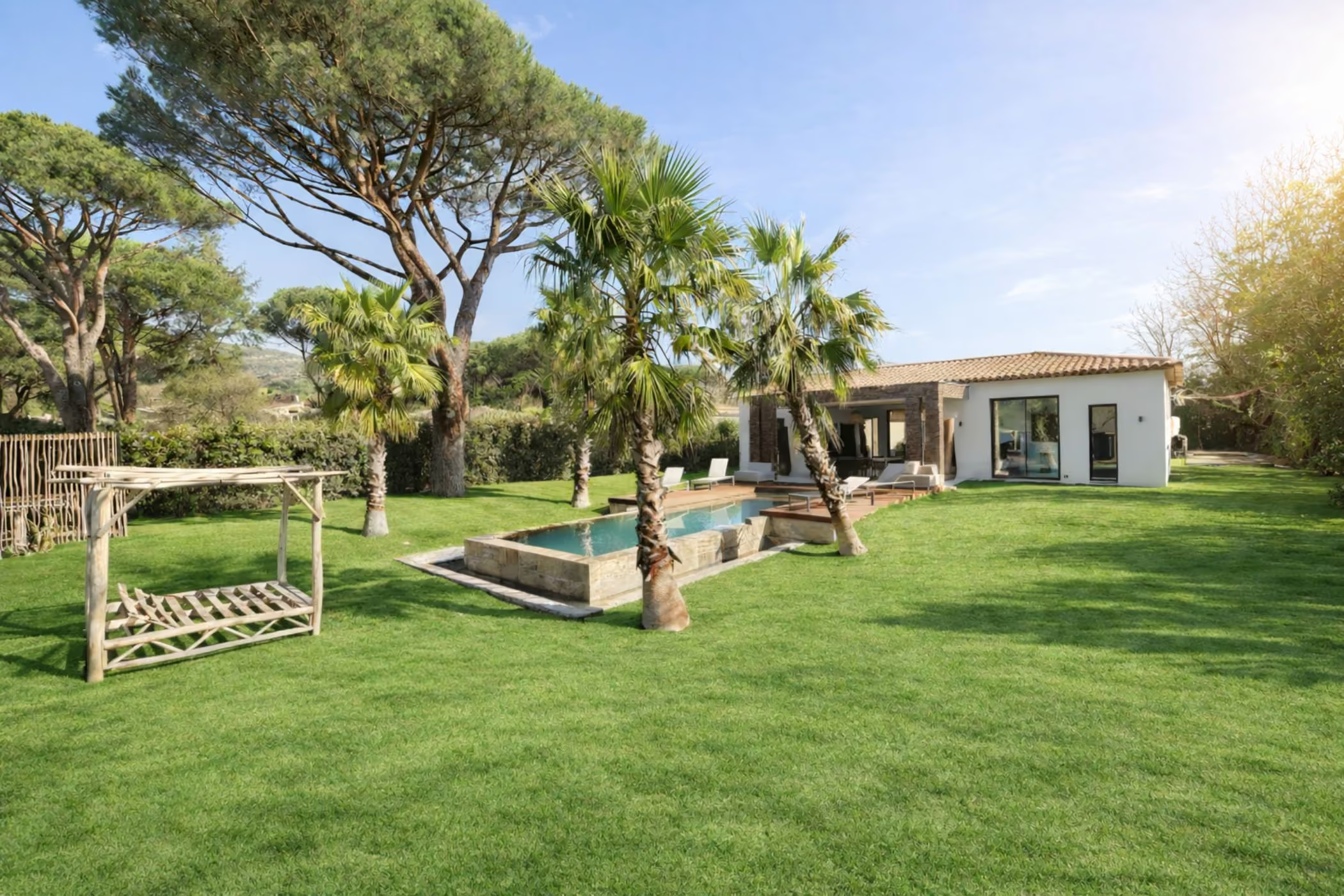
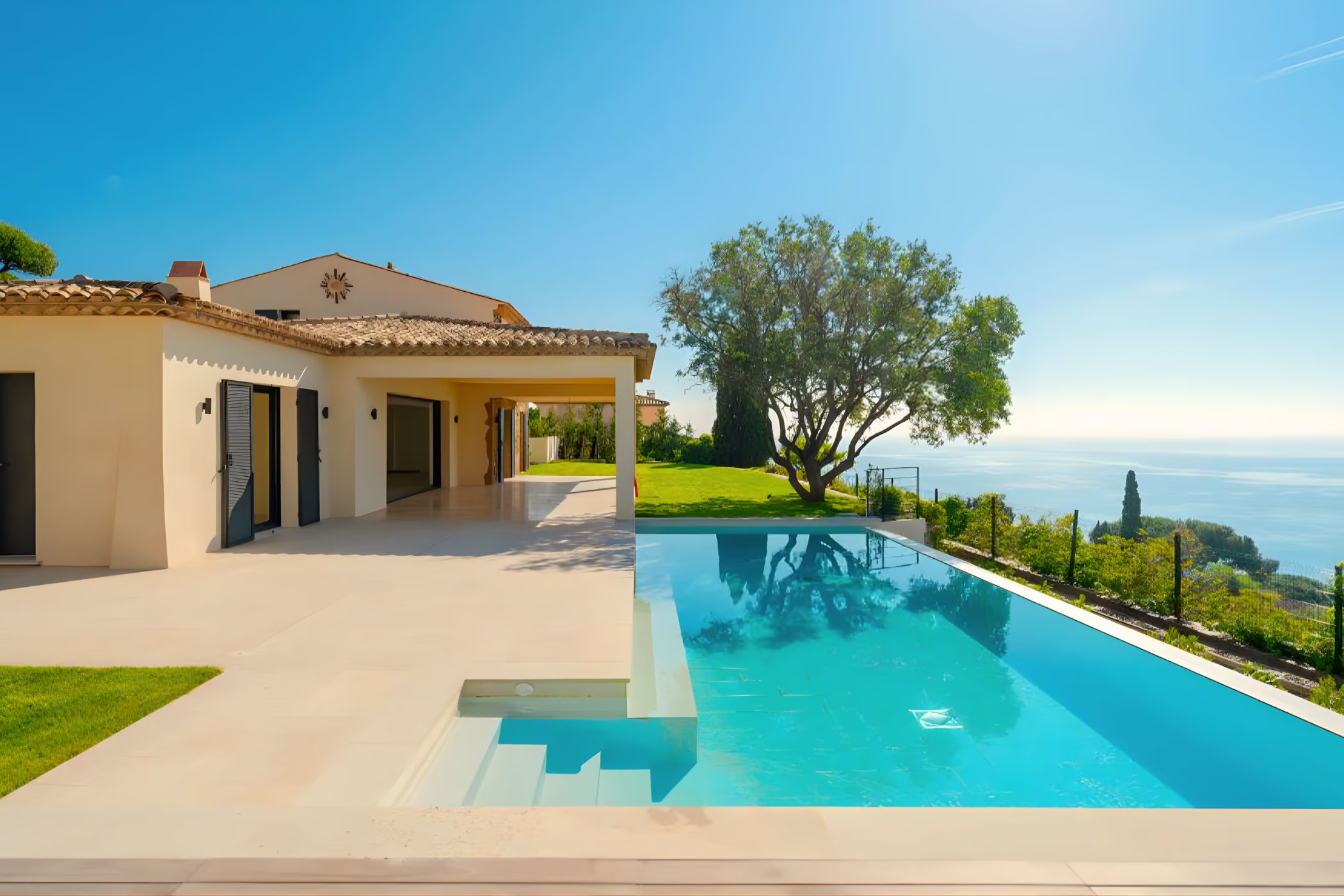
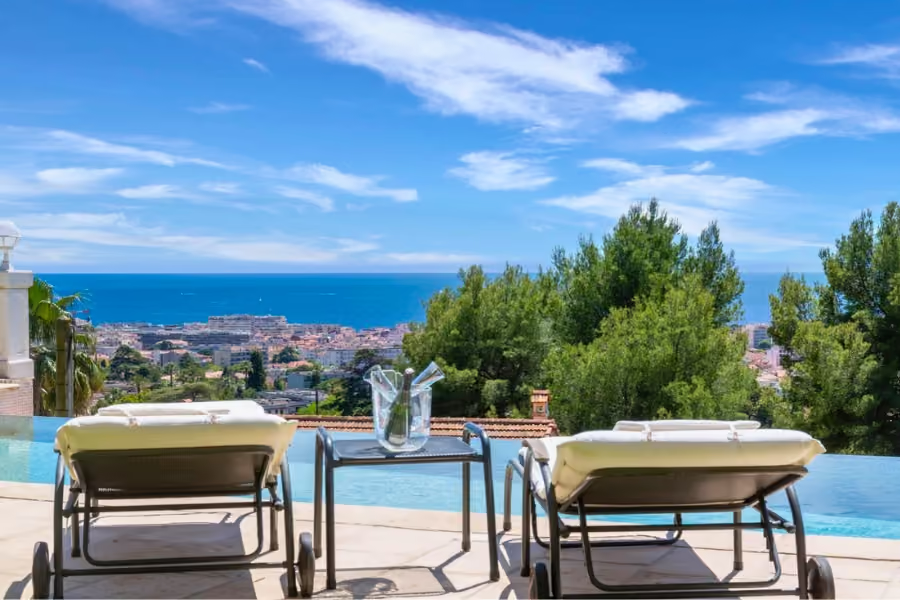
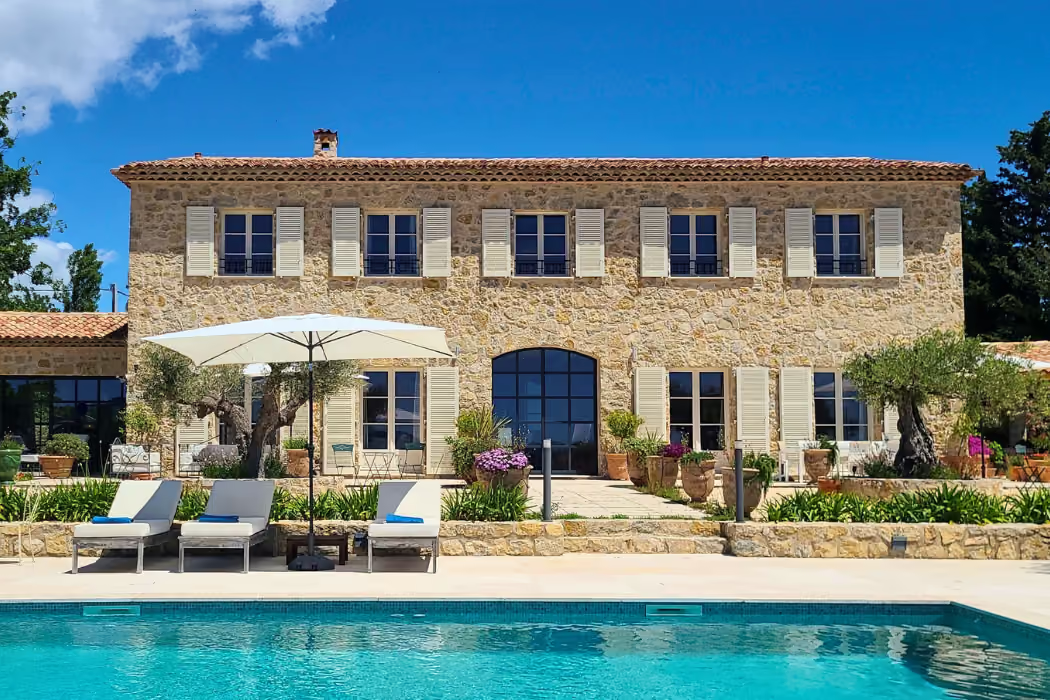

.avif)
Helpful Resources
Buying on the Côte d'Azur as a foreigner is straightforward — France places no restrictions on foreign buyers of any nationality. Most Kocomo listings use a dual legal structure (a French SCI owned by a US entity) that simplifies the paperwork. Our complete French Riviera buying guide covers the full legal process and cost breakdown. For a real look at what ownership actually costs here, see is the French Riviera expensive?, and for the case for co-ownership specifically, see property for sale on the French Riviera.
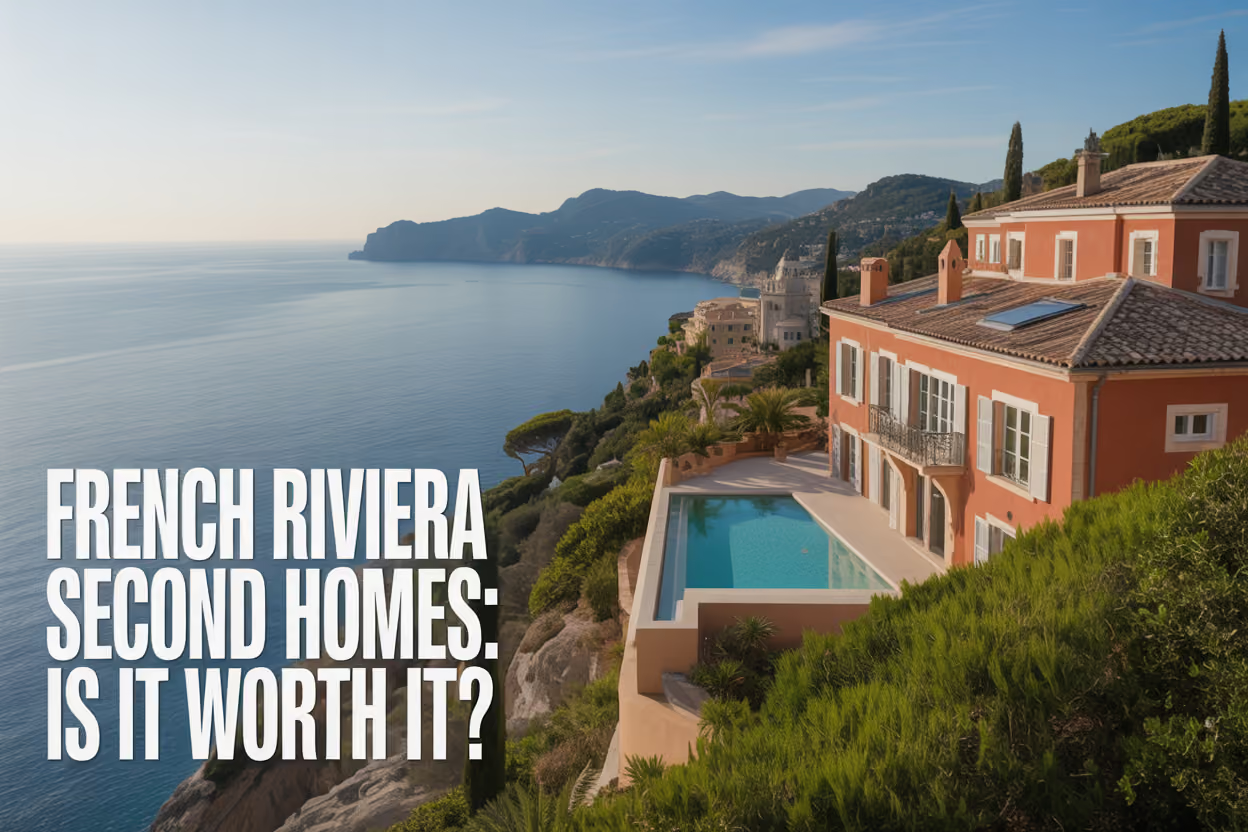
Is the French Riviera Expensive? The Honest Answer for Second Home Buyers
Yes, the French Riviera costs more than most places in the world. But "expensive" is relative — and for second home buyers, the real question is whether the numbers make sense for you.
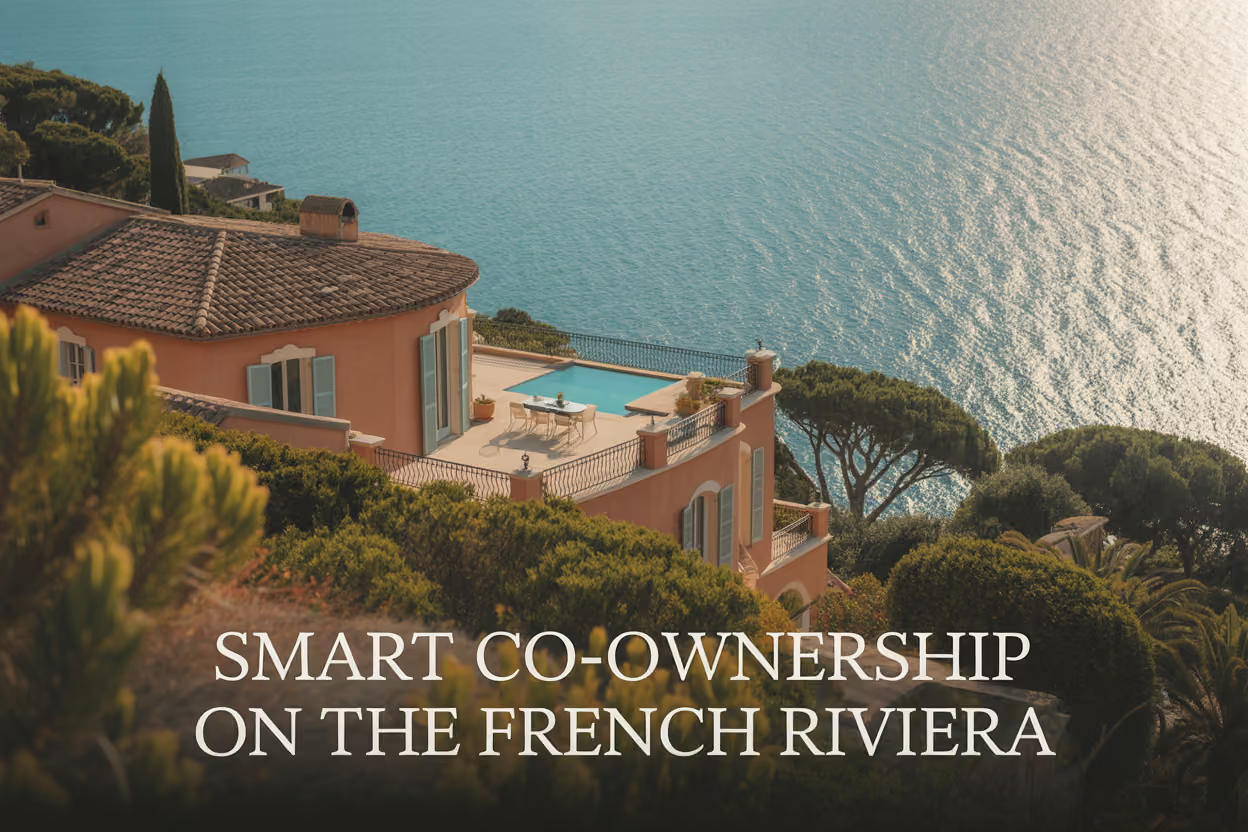
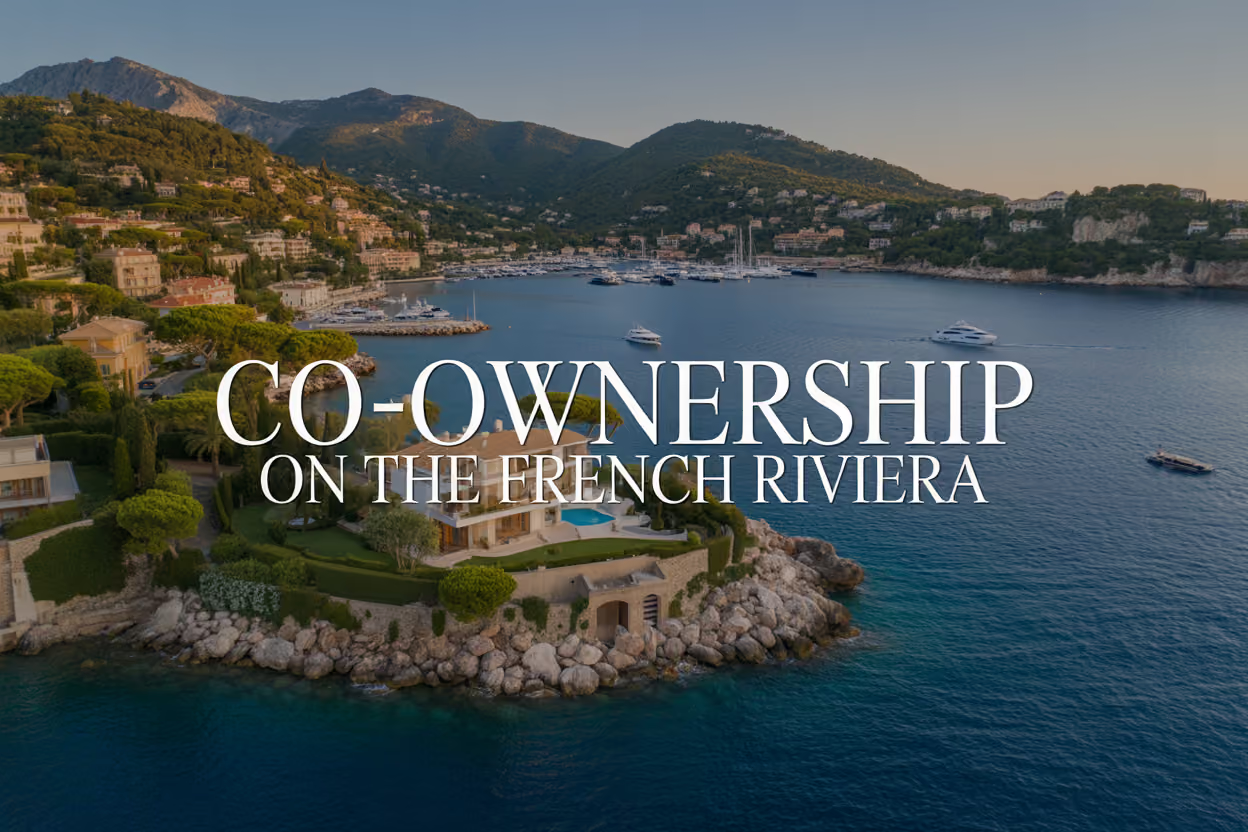
Property for Sale on the French Riviera: Why Co-Ownership Is the Smartest Entry Point
Owning a slice of the French Riviera has long felt like something reserved for the ultra-wealthy — the kind of thing you admire from a distance while scrolling through listings you'll never act on. But that gap between dreaming and owning is a lot smaller than you think, and co-ownership is exactly why.

French Riviera Vacation: Why Co-Owners Get More Than Tourists
If you keep coming back to the French Riviera year after year, you already know how fast those rental costs add up. This is for you — the repeat traveler, the second-home dreamer, the person who's tired of paying €300 a night for a place that never quite feels like yours.
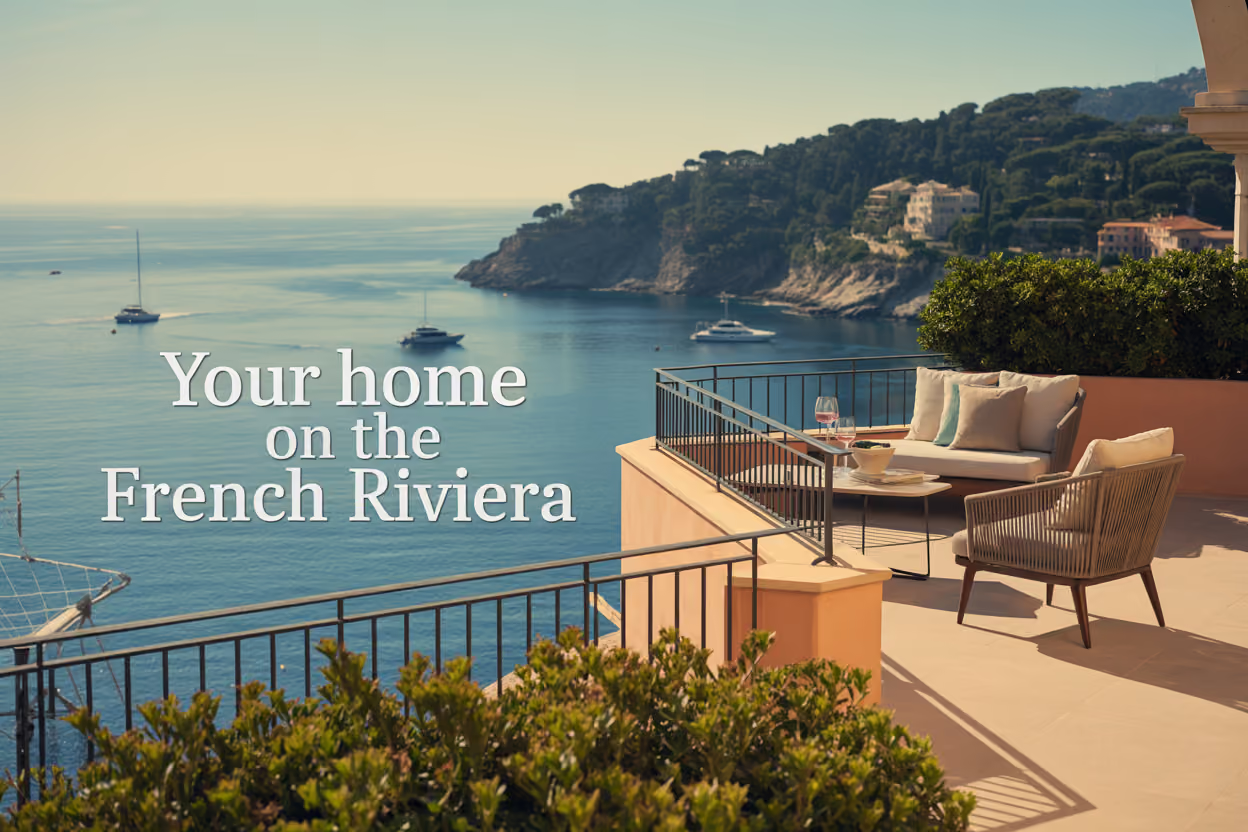
What to Do in the French Riviera - And Why Owning a Home There Makes It Better
The French Riviera has always had a certain pull — the kind of place you visit once and start quietly researching real estate by the second afternoon. If you're already dreaming about spending more time on the Côte d'Azur, this is for you.
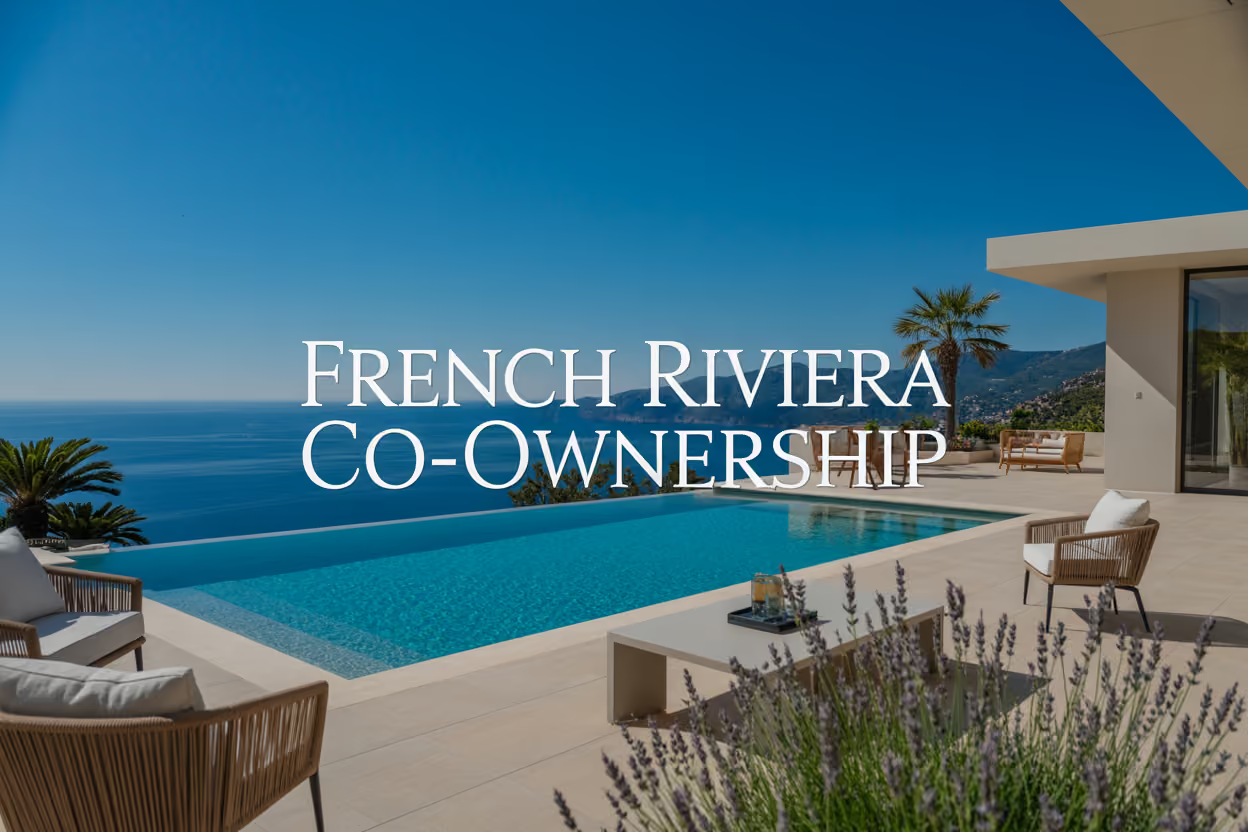
South of France Vacation: Experience the French Riviera Through Co-Ownership
Your South of France vacation can become a lasting Mediterranean lifestyle through fractional co-ownership, giving you access to luxury French Riviera homes without the full commitment of traditional property ownership. This approach is perfect for lifestyle buyers, families, and investors who want a European coastal base they return to seasonally—enjoying 6-7 weeks annually in properties professionally managed year-round.
Frequently Asked Questions
What is Kocomo?
Kocomo is a marketplace and educational hub for the co-ownership of vacation homes, bringing people closer to their dream of owning a second home.
Kocomo makes it easy to learn about the co-ownership model, compare the industry’s key providers, and find the vacation property that’s perfect for you.
How much does it cost to co-own a home on the Côte d'Azur?
Kocomo's Côte d'Azur listings currently start from €109,000 for a share, with a typical share priced around €359,000, all sold in 1/8 fractions.
Is the French Riviera really the top second-home market in the world?
According to Savills' World Second Home Locations Index, yes — the Côte d'Azur ranked #1 across all metrics measured (lifestyle, leisure, hospitality, and property values), ahead of Monaco, Aspen, and Tuscany. Prime property here averages around €23,000/m², roughly half of Monaco's €52,000/m².
Can foreigners buy property on the Côte d'Azur?
Yes. France places no restrictions on foreign buyers of any nationality, though the notarial process runs entirely in French — one reason co-ownership providers handle the paperwork on your behalf.
Is co-ownership the same as a timeshare?
No. Co-ownership gives you a deeded percentage of real equity in the property — you can sell it, will it, or watch it appreciate. A timeshare only grants a right to use a unit for a fixed week, with no ownership stake. See our Timeshare vs Co-ownership Guide.
How many weeks per year can I use my share?
It depends on your share size, but most co-ownership arrangements allocate 4 to 8 weeks per year, split across seasons so every owner gets a mix of peak and off-peak time.
Can I resell my share later?
Yes — shares in the underlying legal entity can be sold, gifted, or passed on through inheritance, without needing to re-title the property.