

Buy Property in France Through Co-ownership

Top destinations in France

How to buy
- Choose a home and a share. Compare homes on Kocomo and contact the provider through the listing. France has no restrictions on foreign buyers.
- Reserve. Providers usually take a deposit to hold your share while you review the documents.
- Check the structure. French co-ownership homes are usually held in a French company, often a property company (SCI), and you buy shares in it. Some providers use other structures. Ask for the company statutes, the yearly cost sheet, and the usage and resale rules.
- Sign. A direct purchase of a home goes through a French notary (notaire), with a preliminary contract, a 10-day cooling-off period for private buyers, and a final deed about two to three months later. A share purchase is signed as a share transfer agreement, which the provider and its notary or lawyer prepare.
- Register. The notary registers a direct purchase. A share transfer is registered with the tax office, which collects the registration duty.
Taxes and costs
When you buy. On a direct purchase of a resale home, notary fees and transfer duties together typically come to about 7% to 8% of the price, and to about 2% to 3% for a new build. Since 2025, most départements have raised their share of the transfer duty from 4.5% to 5%. If you buy shares in a company whose assets are mainly French property, a registration duty of 5% is charged on the price of the shares (BOFiP). Ask the provider whether the share price includes it.
Every year. Owners pay property tax (taxe foncière). Second homes also pay a residence tax (taxe d'habitation sur les résidences secondaires), and in 1,666 towns with tight housing markets it carries a surcharge of up to 60% in 2026 (service-public.gouv.fr). In a company structure, these taxes are usually paid by the company and shared through running costs.
Running costs. Your share of insurance, maintenance, utilities and management.
Residency and stays
If you are not an EU citizen, you can stay in France and the rest of the Schengen area for up to 90 days in any 180-day period without a visa (Your Europe). A 1/8 share, typically about 6 to 8 weeks a year, fits inside that limit. Non-EU visitors' entries and exits are now recorded by the EU's Entry/Exit System (EES).
Owning property in France, directly or through co-ownership, does not give you residency, and France has no golden visa for property. To stay longer, non-EU citizens apply for a long-stay visitor visa at a French consulate, which requires proof of income and health insurance.
What you own
With co-ownership you own part of the home, not a right to use it. That is the difference from a timeshare.
In France, your share is usually a stake in a French company that owns the home, often a property company (SCI). The company's statutes set out how the owners book their time, share costs and sell. Your shares are equity that you can sell, usually with the provider's help, and that you can leave to your heirs. French inheritance rules protect children's shares of an estate and can apply to French property, so if you are planning your estate, ask a notaire or an advisor in your home country.
Ask the provider which structure the listing uses and how resale works before you reserve.
Providers with homes here



Frequently Asked Questions
What is Kocomo?
Kocomo is a marketplace and educational hub for the co-ownership of vacation homes, bringing people closer to their dream of owning a second home.
Kocomo makes it easy to learn about the co-ownership model, compare the industry’s key providers, and find the vacation property that’s perfect for you.
Yes — France places no restrictions on foreign buyers of any nationality. The purchase process runs through a French notary and is conducted entirely in French, which is one reason co-ownership providers handle the paperwork on your behalf.
As of November 2026, shares in Kocomo’s France listings start from €139,000, with a median share price of €285,000. The final price depends on the provider, the property and the share size.
In France, your share is usually a stake in a company that owns the home. The company's statutes set out how the owners book their time, share costs and sell. Your shares are equity that you can sell or leave to your heirs. Ask the provider which structure the listing uses.
It depends on your share size, but most co-ownership arrangements allocate 4 to 8 weeks per year, split across seasons so every owner gets a mix of peak and off-peak time.
Yes. Your shares are equity, so you can sell them, usually with the provider's help, or gift them or leave them to your heirs, subject to the resale rules of the structure.
Can foreigners buy property in France?
Yes — France places no restrictions on foreign buyers of any nationality. The purchase process runs through a French notary and is conducted entirely in French, which is one reason co-ownership providers handle the paperwork on your behalf.
How much does it cost to co-own a vacation home in France?
As of November 2026, shares in Kocomo’s France listings start from €139,000, with a median share price of €285,000. The final price depends on the provider, the property and the share size.
What do I actually own when I co-own a property in France?
In France, your share is usually a stake in a company that owns the home. The company's statutes set out how the owners book their time, share costs and sell. Your shares are equity that you can sell or leave to your heirs. Ask the provider which structure the listing uses.
Is co-ownership the same as a timeshare?
No. Co-ownership gives you a deeded percentage of real equity in the property — you can sell it, will it, or watch it appreciate. A timeshare only grants a right to use a unit for a fixed week, with no ownership stake. See our Timeshare vs Co-ownership Guide.
How many weeks per year can I use my share?
It depends on your share size, but most co-ownership arrangements allocate 4 to 8 weeks per year, split across seasons so every owner gets a mix of peak and off-peak time.
Can I resell my share later?
Yes. Your shares are equity, so you can sell them, usually with the provider's help, or gift them or leave them to your heirs, subject to the resale rules of the structure.
Helpful Resources
Buying in France as a foreigner is open to all nationalities, with no special restrictions for EU or non-EU buyers, though the notarial process runs entirely in French. Our guide on buying a house in France covers the process in detail. For the South of France market specifically, see our French Riviera guide, or compare co-ownership to renting in our vacation rentals in France guide.


Can Foreigners Buy Property in France? Rules, Taxes and Costs in the French Alps (2026)
France places no restrictions on foreign buyers — no nationality limits, no residency requirement, no permits — but notaire fees, taxes, and financing rules catch many buyers off guard. This guide breaks down the legal rules, the taxes and closing costs, mortgage options for non-residents, and how co-ownership lowers the entry price in the French Alps.

French Alps Chalets: Why Co-Ownership Is the Smartest Way In
A luxury chalet in the French Alps routinely costs €2M to €10M+ — for a property most owners use four to eight weeks a year. This guide breaks down how co-ownership works legally and day to day, the financial case against full ownership, and which resorts are worth a look.
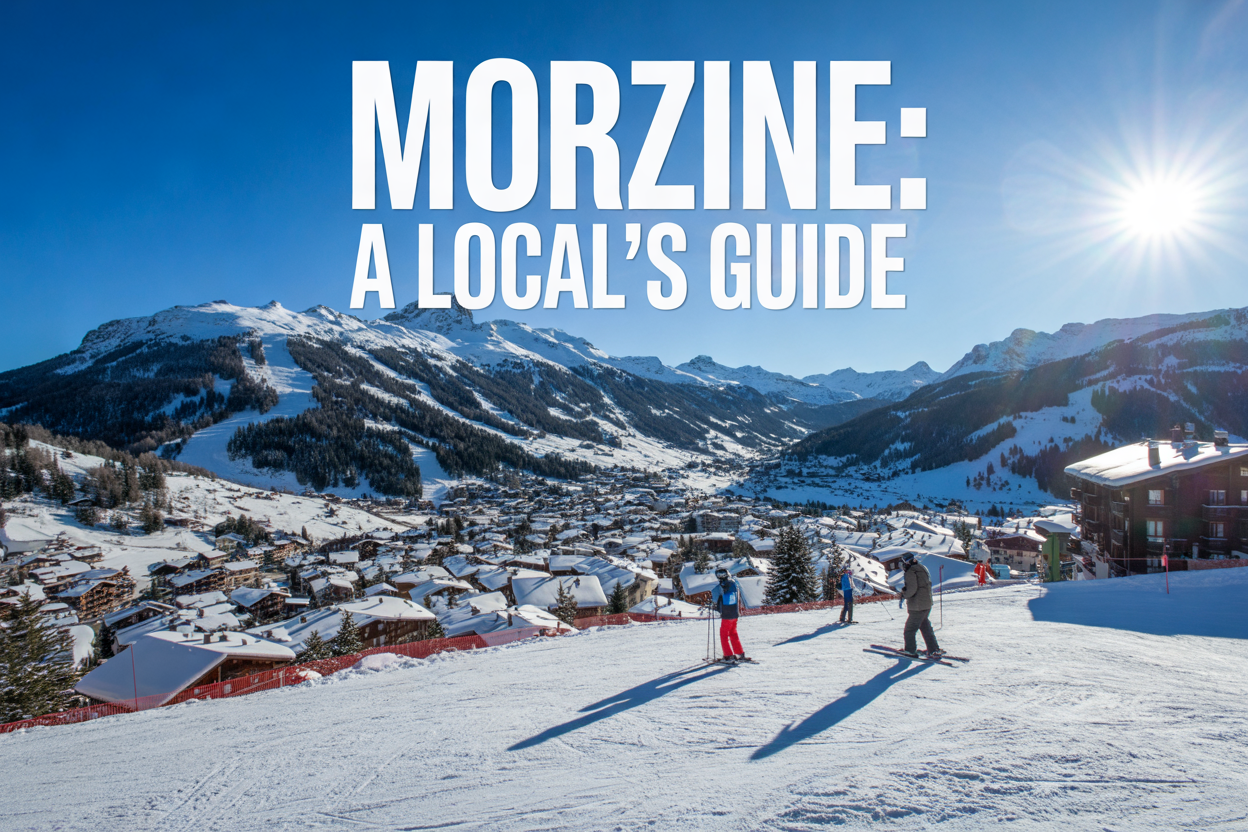
Morzine Ski Resort: A Local's Guide — And Why Some Skiers End Up Owning There
Morzine sits at the gateway to the Portes du Soleil, and it has a habit of turning a ski trip into a property search. This guide covers how to ski Morzine like a local, what keeps people coming back off the mountain, and what buying here actually involves — including how co-ownership lowers the entry cost.

How Much Does It Cost to Go Skiing? The Real Numbers for 2026
Lift tickets at premium resorts can top $250–$300 a day, and that's before travel, gear, and lodging. This guide breaks down what a ski trip actually costs in 2026 by budget level, where the hidden costs sit, and why regular skiers are starting to compare renting against co-owning a share of an alpine chalet.
Vacation Rentals in France: Why Co-Ownership Is a Better Alternative to Renting
You've probably searched "vacation rentals in France" countless times, dreaming of that perfect escape to Provence or the French Riviera. But here's something most travelers don't realize: repeatedly booking France vacation rentals year after year could cost you more than actually owning a piece of French paradise.
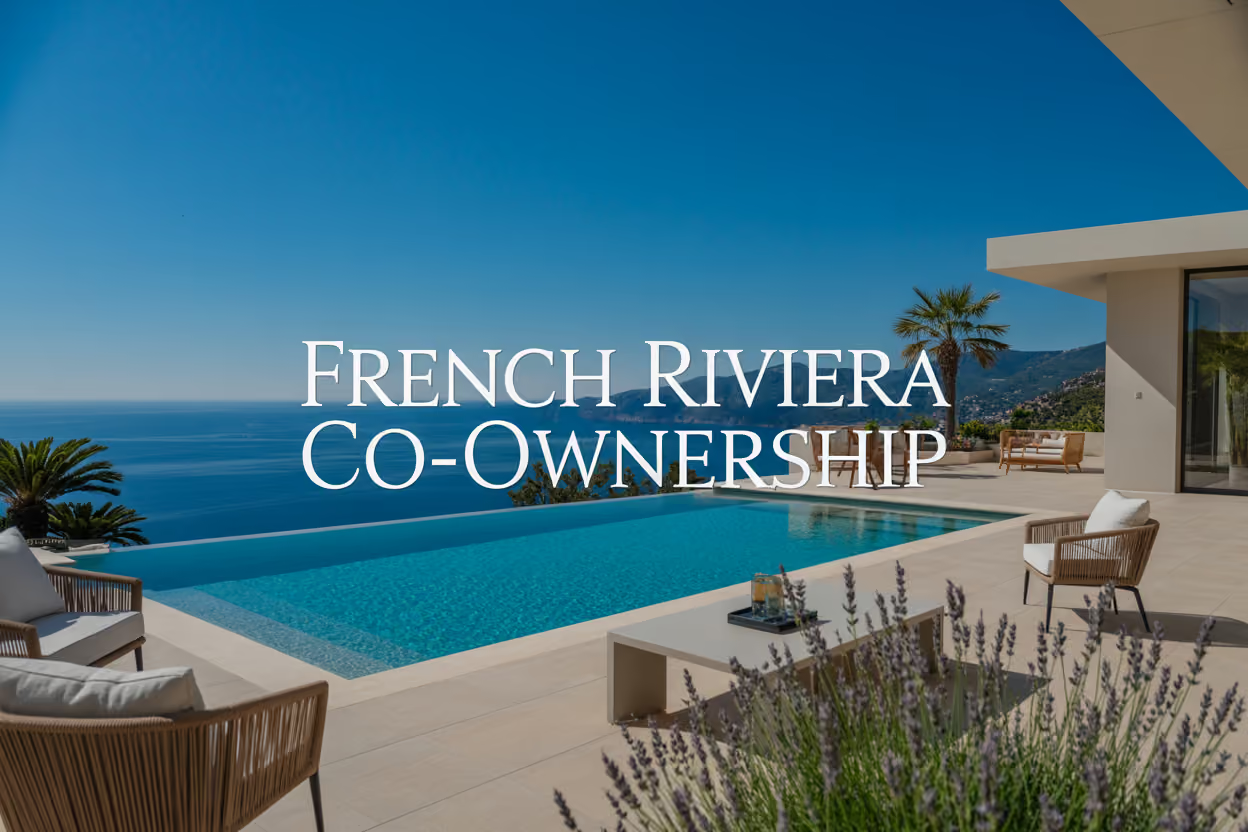
South of France Vacation: Experience the French Riviera Through Co-Ownership
Your South of France vacation can become a lasting Mediterranean lifestyle through fractional co-ownership, giving you access to luxury French Riviera homes without the full commitment of traditional property ownership. This approach is perfect for lifestyle buyers, families, and investors who want a European coastal base they return to seasonally—enjoying 6-7 weeks annually in properties professionally managed year-round.