Can Foreigners Buy Property in France? Rules, Taxes and Costs in the French Alps (2026)
Yes, foreigners can buy property in France — and the process is more straightforward than most people expect. There are no nationality restrictions, no special permits required, and no limits on what you can own. If you have the budget and the right guidance, the door is open.
This guide is for non-EU buyers, expats, and international investors who are seriously considering buying a house in France, specifically in the French Alps. Whether you're eyeing a ski chalet in Chamonix or a mountain apartment in Méribel, you'll want to know exactly what you're getting into before you sign anything.
Here's what we'll walk you through:
- The legal rules around French real estate for foreigners, including how the buying process actually works step by step
- The taxes and fees you'll pay at purchase and beyond — because the sticker price is never the full story
- The real costs of buying in the Alps in 2026, so you can budget accurately from day one
Can Foreigners Legally Buy Property in France?

No Restrictions: What the Law Actually Allows
France places no legal restrictions on foreigners buying property. Whether you're from Germany, the US, Australia, or anywhere else, you can legally purchase French real estate in your own name. There's no minimum investment requirement, no government approval process, and no quota system limiting foreign ownership.
EU vs Non-EU Buyers: Key Differences to Know
Your buyer experience shifts depending on your nationality:
| Factor | EU Citizens | Non-EU Citizens |
|---|---|---|
| Property purchase rights | Identical to French nationals | Fully allowed, no restrictions |
| Mortgage access | Straightforward | Harder to secure, higher deposit needed |
| Visa requirements | None | Required for stays over 90 days |
| Currency exchange | Eurozone simplicity | Additional FX costs may apply |
Special Considerations for Non-European Nationals
If you're buying property in France from outside the EU, keep these points in mind:
- Residency and ownership are separate. Buying a house in France doesn't automatically give you the right to live there long-term.
- Tax treaties matter. Your home country may have a double-taxation agreement with France, which affects what you owe.
- Anti-money laundering checks are thorough — expect detailed source-of-funds documentation from your notaire.
- Currency risk is real if you're buying in euros from a non-euro country.
Why the French Alps Is a Smart Investment Location

Top Ski Resorts Where Foreign Buyers Are Most Active
If you're buying property in France as a foreign investor, these resorts attract the highest demand:
| Resort | Key Appeal |
|---|---|
| Méribel | Central 3 Vallées access, strong British buyer base |
| Chamonix | Year-round tourism, iconic Mont Blanc status |
| Courchevel 1850 | Ultra-luxury market, global buyer pool |
| Morzine | Affordable entry point, Portes du Soleil access |
| Les Gets | Family-friendly, solid rental demand |
Year-Round Appeal: Skiing, Hiking and Tourism Income
Your rental income doesn't stop when the snow melts. The French Alps now draw summer visitors for hiking, mountain biking, and wellness retreats — giving your property two distinct earning seasons rather than one.
How Property Values Have Trended in Alpine Regions
Alpine property prices have climbed steadily. Chamonix and Courchevel have seen values rise 30–50% over the past decade, outperforming many urban French markets. Demand from British, Scandinavian, and Middle Eastern buyers keeps competition strong.
Best Areas for Rental Yield vs Long-Term Capital Growth
- Best yields: Morzine, Les Gets, Samöens (8–10% gross possible)
- Best capital growth: Chamonix, Courchevel 1850, Méribel
- Balanced option: Val d'Isère offers both solid appreciation and consistent occupancy rates
Taxes You Must Pay When Buying French Alpine Property

Notaire Fees and Registration Taxes on Purchase
When buying property in France, you'll pay notaire fees covering registration taxes, legal fees, and administrative costs. For resale properties, expect 7–8% of the purchase price. For new builds, this drops to around 2–3%.
| Property Type | Approximate Fees |
|---|---|
| Resale property | 7–8% |
| New build | 2–3% |
Annual Taxe Foncière and Taxe d'Habitation Explained
As a property owner, you pay taxe foncière annually — typically €1,000–€3,000 for Alpine properties depending on size and location. Since 2023, taxe d'habitation has been abolished for primary residences, but second homes still attract it, which applies to most foreign buyers in the Alps.
Capital Gains Tax When You Sell as a Foreign Owner
If you sell at a profit, you'll face 19% capital gains tax plus 17.2% social levies — totalling roughly 36.2%. Good news: you receive taper relief after year five, and the gain becomes fully exempt after 30 years of ownership.
Wealth Tax Implications for High-Value Property Holders
France's IFI (Impôt sur la Fortune Immobilière) targets property assets exceeding €1.3 million. As a foreign buyer, only your French real estate counts toward this threshold — your global assets are excluded.
Full Cost Breakdown for Foreign Buyers in 2026

A. Purchase Costs Beyond the Listed Property Price
When buying property in France as a foreigner, the sticker price is just the starting point. Budget for these additional costs:
| Cost | Typical Range |
|---|---|
| Notary fees (frais de notaire) | 7–8% of purchase price (resale) |
| Estate agent commission | 3–6% (often included in listed price) |
| Land registration fees | Included in notary fees |
| Surveyor/diagnostics | €500–€1,500 |
| Legal/translation fees | €1,000–€3,000 |
On a €500,000 Alpine chalet, expect to add roughly €35,000–€45,000 in closing costs alone.
B. Mortgage Options and Financing for Non-Residents
French banks do lend to non-residents, but your terms will differ from those offered to residents:
- Loan-to-value: typically capped at 70–80% for non-residents
- Interest rates: slightly higher than resident rates
- Required documents: proof of income, foreign tax returns, bank statements (last 3 years)
- Using an international mortgage broker familiar with French real estate for foreigners saves significant time and money
C. Ongoing Maintenance, Service Charges and Insurance Costs
Your annual running costs in the Alps typically include:
- Copropriété charges: €3,000–€8,000/year for ski chalets or apartments
- Home insurance (multirisque habitation): €800–€2,000/year
- Property management (if renting): 15–25% of rental income
- Taxe foncière: €1,000–€4,000/year depending on location and property size
Practical Tips to Protect Your Investment as a Foreign Buyer
Hiring a Bilingual Lawyer to Avoid Costly Mistakes
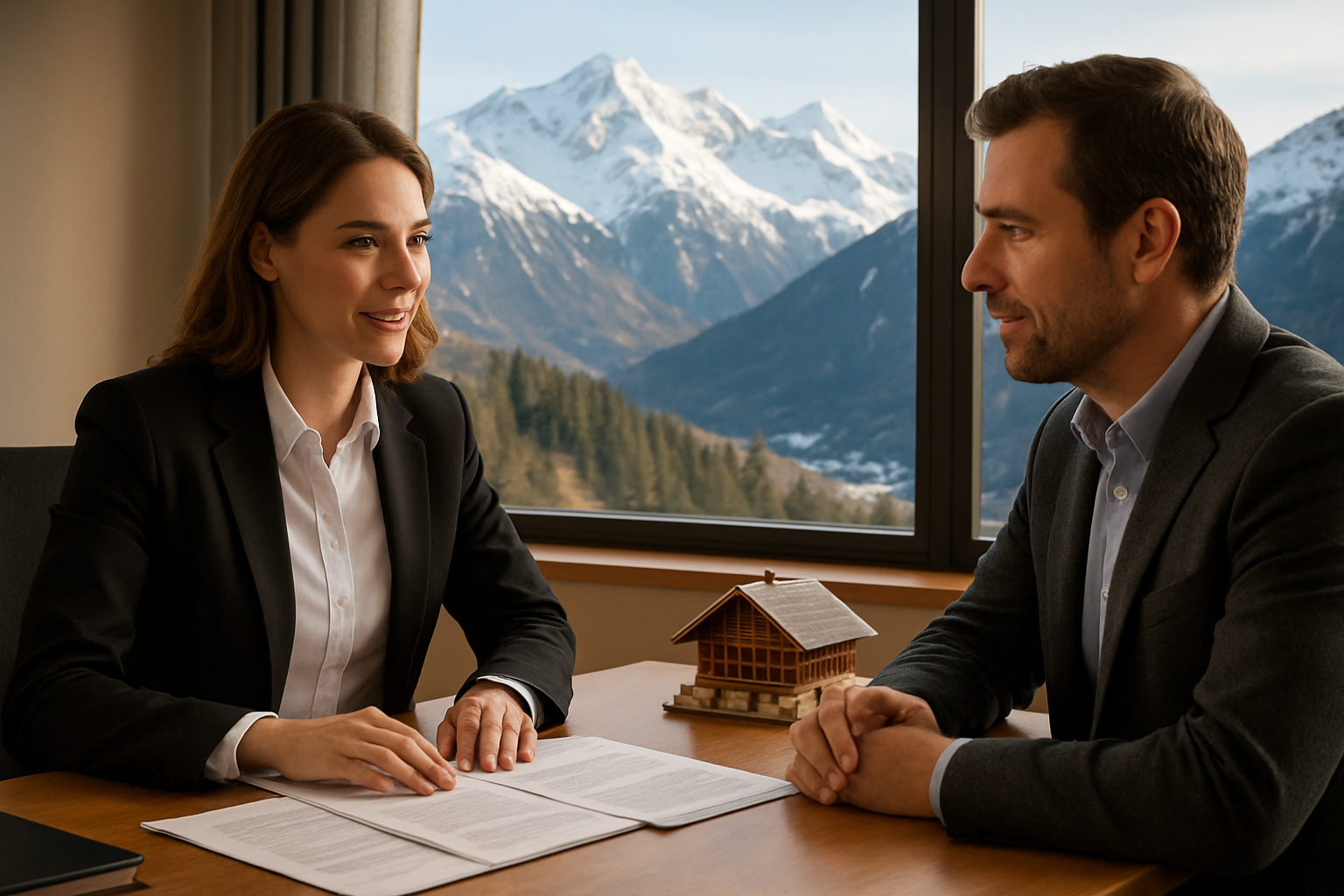
Working with a bilingual notaire or independent solicitor protects you at every stage. They'll catch contract clauses that could expose you to unexpected liabilities, translate documents accurately, and make sure your purchase complies with French property law — something generic legal advice simply can't guarantee.
Currency Exchange Strategies to Reduce Transfer Costs
Your bank's exchange rate is rarely the best option. Specialist currency brokers like Wise or OFX can save you thousands on large transfers. Consider using a forward contract to lock in a favorable rate well before your completion date, shielding you from market swings.
Structuring Ownership Through an SCI for Tax Efficiency
An SCI (Société Civile Immobilière) lets you hold French property through a civil company, giving you more control over how rental income is taxed and how shares are transferred. For foreign buyers investing in the French Alps, it's a practical way to manage costs and ownership flexibility — especially with multiple buyers involved. For the full legal framework and buying process, see our French Alps Real Estate buyer's guide.
Inheritance Planning for Foreign-Owned French Property
French inheritance law applies to your property regardless of your nationality. Without planning, forced heirship rules could override your wishes. A bilingual estate lawyer can align your French will with your home country's legal framework, so your assets pass exactly as you intend.
A Smarter Way for Foreign Buyers to Own Property in the French Alps

Lower the Cost of Owning a Home in the French Alps
Owning Alpine property doesn't have to drain your finances year-round. Co-ownership models let you buy a share of a premium property, so your purchase price, notary fees, and annual taxes reflect only your portion — not the full asset value. Morzine, a 2-bed share managed by Nomadu in Morzine, is available from €144,000 for a 1/8 share, and Morzine Élégance, a 3-bed share managed by MYNE, starts at €249,000.
This approach makes buying property in France far more accessible for foreign buyers who want quality without overcommitting capital.
Share Ownership Costs Without Giving Up the Alpine Lifestyle
With fractional ownership, you split ongoing costs like:
- Annual taxe foncière and taxe d'habitation
- Property management and maintenance fees
- Insurance and utility bills
You still get guaranteed weeks in your Alpine chalet each year — fully furnished, fully managed — without carrying 100% of the financial weight alone.
Make Your French Property Investment Work Smarter
When you're not using your property, it can generate rental income that offsets holding costs. Some co-ownership structures are designed specifically with French real estate for foreigners in mind, handling tax filings, rentals, and legal compliance on your behalf.
This means you get:
| Benefit | Traditional Buy | Co-Ownership |
|---|---|---|
| Entry cost | High | Lower |
| Annual costs | Full | Shared |
| Management effort | Your responsibility | Handled for you |

France welcomes foreign buyers with open arms, and the French Alps stands out as one of the most rewarding places to put your money. You now know that there are no restrictions stopping you from buying here, but there are real costs, taxes, and legal steps you need to plan for. From notary fees and transfer taxes to financing hurdles and ownership structures, getting the full picture before you sign anything can save you a lot of stress and money down the line.
The good news is that with the right local experts by your side — a knowledgeable notaire, a bilingual property lawyer, and a mortgage broker who works with foreign buyers — the whole process becomes far more manageable. Take your time, do your homework, and don't rush into a purchase without understanding exactly what you're committing to. The French Alps offers stunning scenery, strong rental demand, and long-term value, and with the right approach, your dream property here can also be a smart financial move. Browse current co-ownership homes across the French Alps to see what's available today.