Can Foreigners Buy Property in Spain? Here's What You Need to Know Before 2026
Yes — foreigners can legally buy property in Spain. No nationality restrictions, no residency requirement, no cap on how many properties you can own. If you've been wondering whether buying property in Spain as a foreigner is even possible, that's your short answer.
But the longer answer matters a lot more.
This guide is written for international buyers — especially anyone seriously looking at how to buy property in Marbella or anywhere along the Costa del Sol in 2026. Whether you're coming from the UK, the US, Ireland, or elsewhere, the rules, taxes, and costs work the same way, and getting them wrong is expensive.
Here's what you'll find inside:
- The full tax and cost breakdown — because the 11%–13% on top of purchase price surprises almost everyone
- New build vs resale — which one actually makes more sense for a foreign buyer in 2026
- The step-by-step buying process — including the NIE number, legal due diligence, notary, and everything in between
Spanish real estate is genuinely one of the most accessible markets in Europe for foreign buyers. The process just has more moving parts than people expect. This guide walks you through all of them.
Can Foreigners Legally Buy Property in Spain in 2026?

Full Ownership Rights for EU and Non-EU Buyers
Whether you're an EU citizen or from outside Europe, you can legally buy property in Spain with full ownership rights. Your nationality doesn't determine your eligibility — both residents and non-residents are equally entitled to purchase Spanish real estate.
No Nationality Restrictions, Residency Requirements or Property Limits
When buying property in Spain as a foreigner, you benefit from a remarkably open legal framework:
- No nationality restrictions — any foreign national can purchase
- No residency requirement — you don't need to live in Spain to own property there
- No property limits — you can own as many properties as you choose
This means your path to owning Spanish real estate is straightforward, regardless of where you're based.
Why Marbella and Costa del Sol Attract International Buyers
If you're exploring how to buy property in Marbella or along the Costa del Sol, the appeal is well-founded. The Málaga province offers:
- International liquidity — a deep pool of global buyers and sellers
- Multiple demand drivers — tourism, lifestyle appeal, and a large international resident community
- A strong new development pipeline in prime locations
With this in mind, next, we'll explore the essential requirements every foreign buyer must meet before proceeding.
Essential Requirements Every Foreign Buyer Must Meet
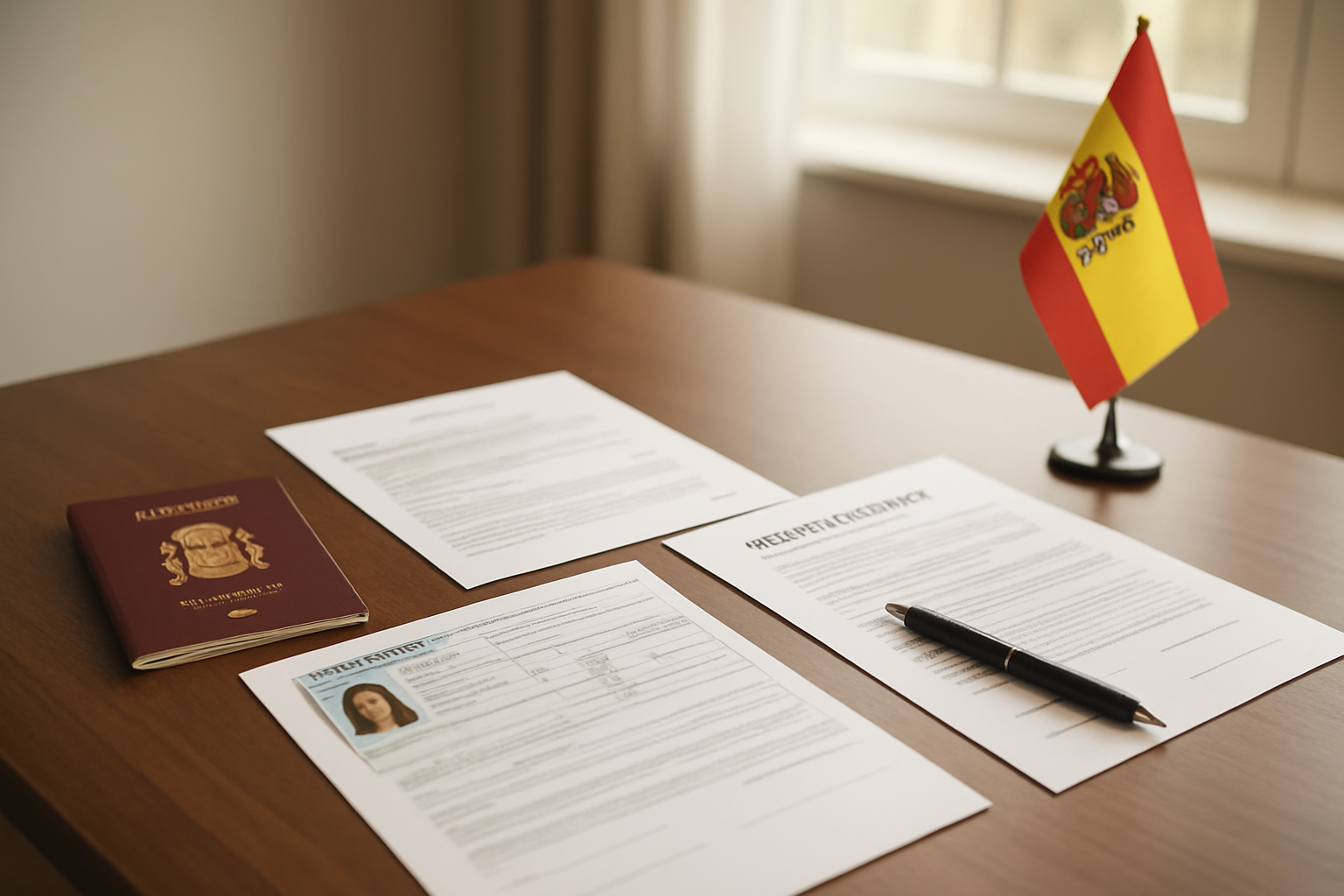
How to Obtain Your NIE Number and Why It Is Mandatory
Before buying property in Spain as a foreigner, you must obtain an NIE (Número de Identidad de Extranjero). This identification number is legally required for:
- Signing purchase contracts
- Paying property taxes
- Registering the title deed
- Setting up utilities and banking
Without it, your transaction simply cannot proceed.
Setting Up a Spanish Bank Account for a Smooth Purchase
Once your NIE is secured, opening a Spanish bank account becomes your next essential step. It is a practical necessity for managing:
- Completion and closing costs
- Ongoing utility bills
- Community fees
- Mortgage repayments (if applicable)
Having a local account ensures every payment is processed smoothly and on time throughout your Spanish real estate journey.
Why Independent Legal Due Diligence Is Non-Negotiable
With your NIE and bank account in place, your independent lawyer becomes your most important asset. When learning how to buy property in Marbella or anywhere in Spain, your legal representative must verify:
- Land registry ownership and title status
- Outstanding debts, charges, and embargoes
- Planning and building legality, particularly for older resale properties
- Community-of-owners financial standing
- All contract clauses, deadlines, and penalty terms
Skipping this step exposes you to serious financial and legal risk.
New Build vs Resale Property: Which Is the Smarter Choice in 2026?

Advantages and Hidden Risks of Buying a Resale Property
Resale properties offer real appeal — established locations, immediate availability, and room to negotiate on price. However, when buying property in Spain as a foreigner, resale comes with serious risks you shouldn't overlook:
- Hidden structural defects
- Aging electrical and plumbing installations
- Unpredictable renovation costs
- Potential planning or documentation irregularities
These issues can turn a promising deal into a costly headache.
Why New Developments Offer Cleaner Deals for Foreign Buyers
If you're exploring how to buy property in Marbella or anywhere in Spanish real estate, new builds frequently offer the cleaner path forward. Here's why:
Legal Protections and Construction Guarantees on New Builds
New builds in Spain come with a structured warranty system that protects your investment:
- 1 year — finishing defects
- 3 years — habitability issues
- 10 years — structural defects (seguro decenal)
Additionally, if you're purchasing off-plan, your stage payments must legally be covered by bank guarantees or insurance — giving you an added layer of financial security.
Full Tax and Cost Breakdown for Buying Property in Spain

A. Resale Property Transfer Tax (ITP) by Region Including Andalusia
When buying property in Spain as a foreigner, ITP is your primary tax on resale purchases. Here's what you'll pay by region:
B. New Build VAT and Stamp Duty Rates Across Key Spanish Regions
For new builds, your costs split into two taxes:
- VAT (IVA): 10% on mainland residential properties; Canary Islands apply IGIC (~7%) instead
- Stamp Duty (AJD): Andalusia 1.2% | Madrid 0.75% | Valencia 1.5%
C. Legal Fees, Notary Costs and Other Buying Expenses to Budget For
Beyond taxes, your buying costs typically include:
- Legal fees: ~1% of purchase price
- Notary and land registry fees: A few thousand euros
- Mortgage-related costs: Valuation, bank fees, and administrative charges (if financing)
D. The 11 to 13 Percent Rule for Total Purchase Cost Planning
With all costs combined, you should budget 11–13% above your purchase price to cover all taxes and fees comfortably.
Mortgage Options for Non-Resident Foreign Buyers in Spain

A. Typical Loan-to-Value Ratios and What to Expect From Spanish Lenders
When buying property in Spain as a foreigner, securing a mortgage is possible, but Spanish lenders apply stricter criteria to non-residents than to residents. Here's what you can typically expect:
Spanish lenders base the mortgage on the lower of the purchase price or the property valuation, so your borrowing capacity depends on both figures aligning favourably.
B. How Much Cash Deposit Non-Residents Should Realistically Plan For
Now that we have covered LTV ratios, it's critical to understand what this means for your own finances before you begin searching for Spanish real estate.
As a non-resident, you should realistically plan for a 30–40% cash deposit on the property value. Beyond that, you also need to budget separately for taxes and other buying costs, which are not covered by the mortgage.
Key takeaways for your financial planning:
- Minimum deposit: 30% of purchase price
- Conservative deposit target: 40%
- Additional funds needed: Taxes and buying costs on top of the deposit
Step-by-Step Property Buying Process in Spain Explained Simply

From Strategy and Property Selection to Reservation and Due Diligence
Before buying property in Spain as a foreigner, you need a clear strategy. Ask yourself: are you buying for lifestyle, rental yield, or capital preservation? Your answer shapes everything that follows.
Once your goal is defined, here's how the process unfolds:
- Property selection – Search and shortlist based on your strategy and budget
- Negotiation – Agree on price and key terms with the seller
- Reservation agreement – Sign and pay a deposit to secure the property
- Legal due diligence – Your lawyer checks title, outstanding debts, planning status, community fees, and contracts
This stage is critical. Skipping due diligence is one of the costliest mistakes you can make in Spanish real estate.
Completing the Purchase at the Notary and Post-Completion Setup
With due diligence cleared, your purchase moves into the final stretch:
- Private purchase contract – Signed with staged payments (essential for new builds or off-plan)
- Mortgage valuation and approval – If financing, your lender completes their assessment
- Notary completion – You sign the title deed (escritura) and ownership transfers officially
- Post-completion setup – Property registration and utilities transferred to your name
Now that you understand how to buy property in Marbella or anywhere in Spain, you're ready to move forward with confidence.
Best Areas in Spain to Buy Property for Strong ROI in 2026

Why Costa del Sol and Marbella Lead for International Buyers
If you're researching how to buy property in Marbella or anywhere along the Costa del Sol, you're already looking in the right direction. This region consistently tops the list for foreign buyers due to:
- International liquidity — easy to buy, rent, and resell
- Extended season driven by tourism, lifestyle, and international residents
- Strong new development pipeline in prime areas
Other Coastal Markets Worth Considering Based on Budget and Strategy
Your budget and investment strategy will determine which coastal market suits you best:
Each market offers distinct advantages depending on whether you prioritize yield, appreciation, or lifestyle.
Major Cities for Long-Term Rental Stability and Tenant Demand
With this in mind, if you prefer urban investments, Spain's major cities offer deep tenant pools:
- Madrid — strong long-term rental stability
- Barcelona — high demand, but regulation-sensitive strategy required
- Valencia — growing appeal for international buyers seeking steady rental income
Costly Mistakes Foreign Buyers Must Avoid When Purchasing in Spain

A. Skipping Independent Legal Advice and Underestimating Closing Costs
One of the costliest mistakes you can make when buying property in Spain as a foreigner is proceeding without an independent lawyer. Your agent represents the seller — not you. Beyond legal fees, many buyers are blindsided by taxes and closing costs that can add 10–15% on top of the purchase price. Always budget for these upfront.
B. Ignoring Planning Legality Checks and Rental Compliance Requirements
Now that we've covered legal costs, here's another critical risk — especially with resale properties. You must verify that the property has full planning and building legality before signing anything. Illegal extensions or unlicensed structures can become your problem post-purchase.
Additionally, don't assume rental income is automatic. If you plan to let your property, you need to meet specific compliance requirements. Skipping these checks could leave you unable to legally rent out your Spanish real estate investment.
C. Confusing Property Ownership With Spanish Residency Rights
Previously, many foreign buyers assumed that owning property in Spain automatically granted residency rights. It does not. Whether you're exploring how to buy property in Marbella or anywhere else in Spain, understand that ownership and residency are completely separate legal matters requiring independent applications.
Why Co-Ownership Is the Easiest Way for Foreigners to Buy in Marbella

Full Legal Ownership, Without Navigating It Alone
Buying property in Marbella as a foreigner is completely legal — but the process has real moving parts. Co-ownership through a trusted platform means your name is on the title deed, your rights are protected under Spanish law, and you're not left figuring out NIE applications, notary appointments, or land registry filings on your own. Everything is handled with you, not handed off to you.
Lower Capital at Risk, Same Real Property Rights
Full property ownership in Marbella typically starts at €500,000+. Co-ownership lets you hold a legally registered share of a premium property for a fraction of that — without watering down your ownership rights. Marbella Hills, a 2-bed share managed by MYNE, illustrates this at €149,000 for a 1/8 share. You still benefit from:
- Capital appreciation as Spanish real estate values rise
- Rental income proportional to your share
- Full resale rights when you're ready to exit
No Guesswork on Taxes or Ongoing Compliance
One of the biggest worries when buying property in Spain as a foreigner is staying compliant — annual tax filings, IBI payments, community fees. With co-ownership, those obligations are tracked and managed for you. You know exactly what you owe, when you owe it, and why — no surprises, no penalties from missed deadlines.

Buying property in Spain as a foreigner in 2026 is completely achievable — but only if you go in prepared. From getting your NIE number and opening a Spanish bank account, to understanding the difference between ITP and VAT depending on whether you're buying resale or new build, every step in the process matters. You've now seen how taxes vary by region (Andalusia at 7% ITP, Valencia shifting in mid-2026, and new builds carrying 10% VAT plus stamp duty), how non-resident mortgages typically cap at 60–70% LTV, and why skipping independent legal due diligence is one of the costliest mistakes you can make.
The smartest approach is to align your purchase with a clear objective — whether that's lifestyle, rental income, capital preservation, or a blend of all three. New developments in prime coastal zones like Marbella and the Costa del Sol consistently offer foreign buyers the cleanest path forward: modern specs, stronger legal protections, defined warranties, and better long-term liquidity. If you're ready to take the next step, co-ownership platforms like MYNE can help you shortlist the right properties, run a full cost forecast, and navigate the entire process with confidence.