Understanding Austria's True Cost of Living
Monthly expense breakdown by category
When you're planning your budget for Austria, you'll find that housing and energy dominate your expenses at over 26% of total household costs. Your transportation costs will account for 13.6% of your budget, while leisure activities require just 11.4%. For a typical household of 2.2 people, you can expect total monthly expenses of approximately €4,170.
How Austria compares to other Western European countries
Your cost of living in Austria sits 3.5% higher than the United States, but you'll benefit from rent prices that are 33.9% lower than American cities. A single person's monthly expenses average €1,059 excluding rent, while families of four face around €3,665 monthly. Austria's salaries compensate well for these costs, offering 14 monthly payments annually through holiday and Christmas bonuses with favorable tax treatment.
Regional cost variations across Austrian cities
Your expenses will vary significantly depending on which Austrian city you choose. Salzburg ranks as the most expensive with the highest cost of living index, while Villach offers the most affordable option. You'll find that Graz provides exceptional value with strong local purchasing power despite moderate costs.
Housing Costs and Rental Market Reality
Average rent prices in major cities vs smaller towns
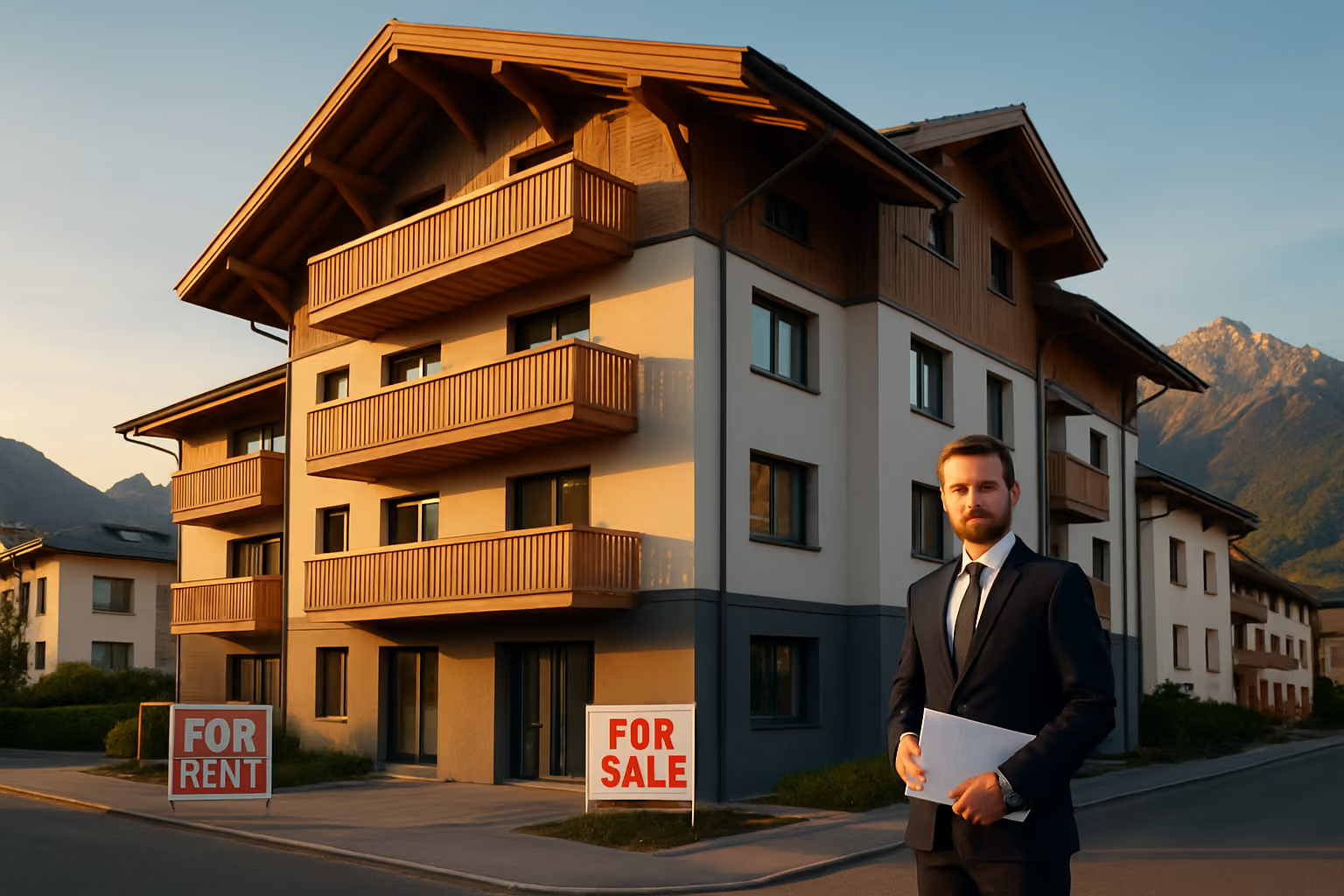
Your rental costs in Austria will vary significantly depending on whether you choose to live in a major city or a smaller town. In Vienna, you can expect to pay around €1,250 for a one-bedroom apartment, while Salzburg and Innsbruck command similar rates at €1,054 and €1,185 respectively. These major cities offer different accommodation options, with private rooms ranging from €590-€636, studios from €990-€1,013, and full apartments from €1,300-€1,339.
Public housing opportunities and income requirements
Austria offers substantial social housing opportunities, with approximately one-fourth of residents living in subsidized housing. To qualify, you must be at least 17 years old, hold citizenship from Austria, EU, EEA, or Switzerland (or permanent EU residency), and meet specific income limits set by each state. You'll also need to demonstrate a housing need and have resided in Austria for a required period that varies by location.
Utility costs and how they're calculated
Your monthly utility expenses will typically total around €347 if not included in your rental agreement. This breaks down to €34 for water, €75 for electricity, €147 for gas, €33 for internet, and €15 for waste collection. These costs are calculated based on consumption and building service charges, with water often collected as a flat rate with your monthly building fees.
How Co-Ownership Makes Living and Owning Property in Austria More Affordable
Cut Your Property Costs in Half with Fractional Ownership in Austria
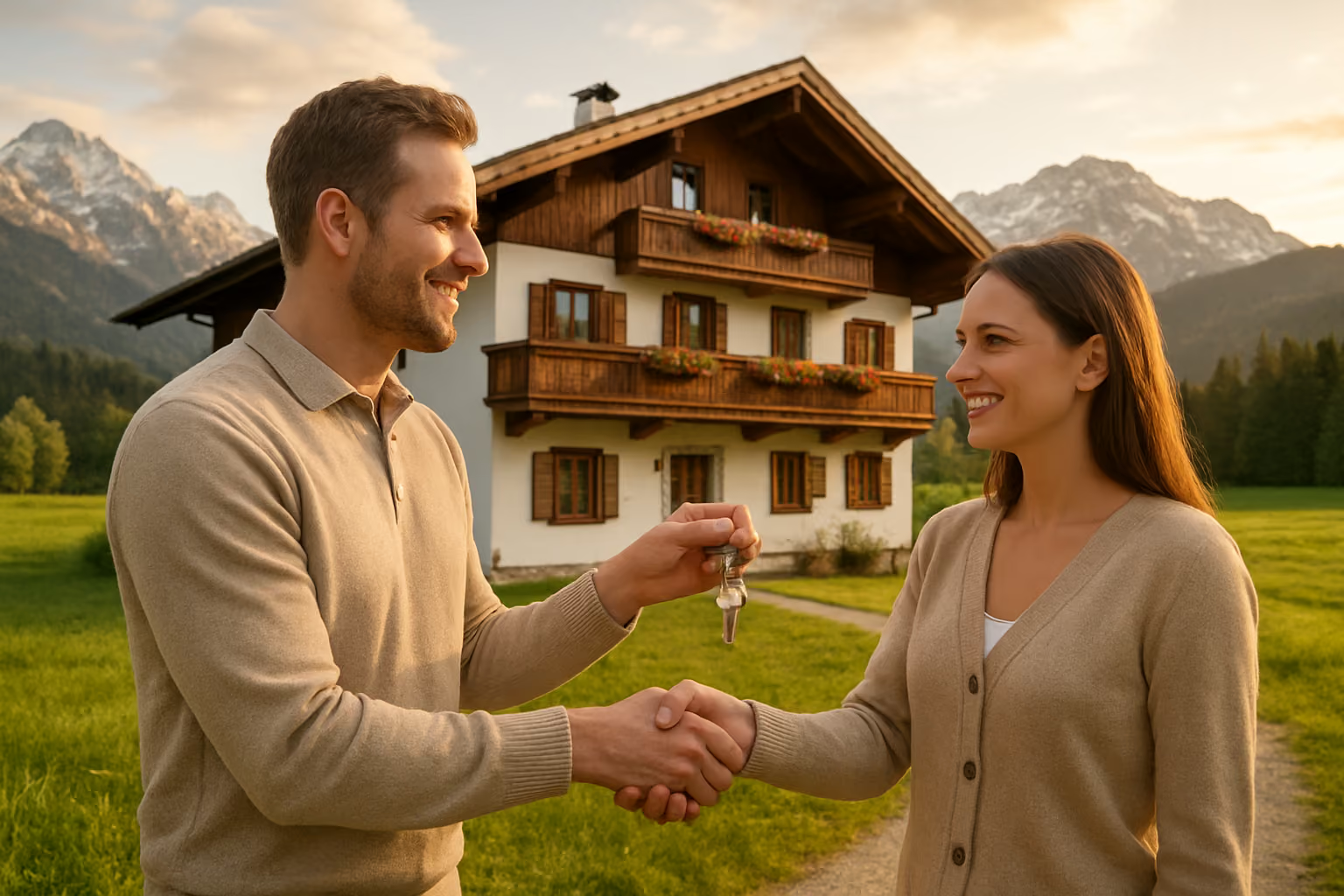
Your dream of owning property in Austria doesn't have to drain your savings account. Co-ownership through fractional ownership platforms lets you buy a share of a premium property instead of shouldering the entire purchase price alone. Think about it – instead of paying €800,000 for that charming Alpine chalet, you could own a quarter share for around €200,000.
This approach works particularly well in Austria's high-value markets like Salzburg, Innsbruck, or the Vienna suburbs where property prices have steadily climbed. You get access to the same quality locations and amenities that would normally be out of reach, but at a fraction of the cost.
Your fractional ownership typically includes everything from furniture to kitchen appliances, so you're not looking at additional setup costs. You'll also share ongoing expenses like property taxes, insurance, and maintenance with other co-owners, which means your annual ownership costs stay manageable. Many co-ownership arrangements guarantee you specific weeks or months of use each year, giving you predictable access to your Austrian retreat without the full financial commitment of sole ownership.
No Management Headaches: Professional Care Included
You won't need to worry about finding reliable contractors in Austria or dealing with language barriers when something needs fixing. Professional property management comes standard with most co-ownership arrangements, handling everything from routine maintenance to emergency repairs.
Your property management team takes care of seasonal preparations – winterizing the property before Alpine storms hit, maintaining heating systems, and ensuring everything runs smoothly year-round. They coordinate with local service providers, handle utility management, and even arrange for cleaning between owner visits.
This hands-off approach means you can enjoy your time in Austria without spending it on property upkeep. You're not scrambling to find a plumber in Salzburg when a pipe bursts, or trying to coordinate roof repairs from thousands of miles away. The management company handles vendor relationships, knows local regulations, and ensures your property maintains its value through proper care.
Your monthly or annual management fees cover these services, and since they're shared among all co-owners, the cost per person stays reasonable compared to hiring property management for a wholly-owned property.
Generate Rental Income When You're Not There
Your Austrian property can work for you during the months you're not using it. Many co-ownership platforms include rental management services that list your unused time on vacation rental platforms, handling everything from guest communication to cleaning turnovers.
Austria's tourism industry runs strong year-round, with ski season bringing winter visitors and hiking enthusiasts filling summer months. Your property in popular destinations like Zell am See or Bad Gastein can generate substantial rental income during peak seasons when you're not there.
The rental income gets distributed back to you, helping offset your ownership costs and potentially providing positive cash flow depending on your property's location and rental demand. You don't handle guest interactions, cleaning schedules, or maintenance issues – the management company coordinates everything while you collect your share of the profits.
Some co-ownership arrangements guarantee minimum rental yields or offer revenue-sharing models that give you a percentage of all rental income generated by the property. This passive income stream can significantly improve the financial math of Austrian property ownership, turning what might be a pure expense into an investment that pays you back.
Daily Living Expenses That Add Up
Grocery costs and food price comparisons
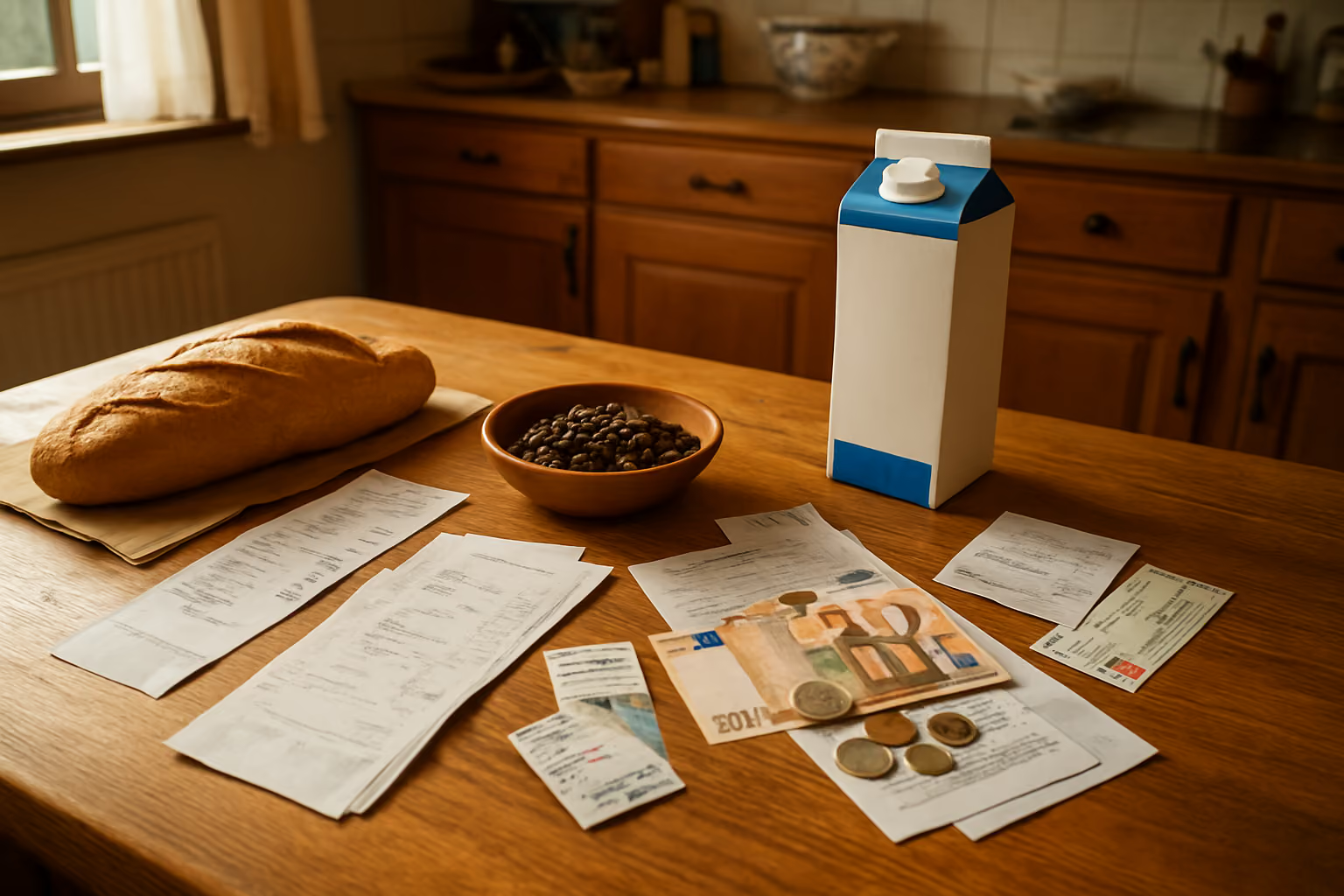
Your monthly grocery budget in Austria will typically range from €300-330, though individual daily spending varies significantly based on your shopping habits and dietary choices. While some residents manage with as little as €5-8 per day through careful meal planning and home cooking, others spend €15-25 daily when frequently purchasing prepared foods or dining out. Shopping at budget-friendly stores like Hofer (Aldi), Lidl, or Penny can help reduce costs, with many locals reporting savings through strategic use of discount promotions and bulk purchasing of staples like rice, pasta, and seasonal vegetables.
Restaurant and dining out expenses
When you choose to dine out in Austria, expect to pay €15-60 per meal depending on the establishment type and location. A simple lunch at a workplace canteen typically costs €3-7, while a Leberkässemmel from a local shop runs about €3.50. For those working in offices, daily food purchases including morning snacks, lunch, and afternoon treats can easily reach €15-20, making home-cooked meals a more economical choice for your long-term budget planning.
Quality of Life Benefits Worth the Investment
Safety and Security Advantages
With this in mind, next, we'll explore what makes Austria exceptional beyond just housing costs. You'll find Austria offers an unmatched safety environment with one of Europe's lowest crime rates and a safety index of 70. The country provides exceptional security for both persons and property, creating peace of mind that's rare in today's world.
Cultural Amenities and Recreational Opportunities
Previously, I've mentioned Austria's affordability, but now consider the cultural wealth you'll access. You can enjoy over 1,000 museums, world-class opera houses, and numerous festivals year-round. With 22,000 kilometers of ski slopes, 50,000 kilometers of hiking paths, and 10,000 kilometers of biking trails, your recreational options are virtually limitless, making every euro invested worthwhile.
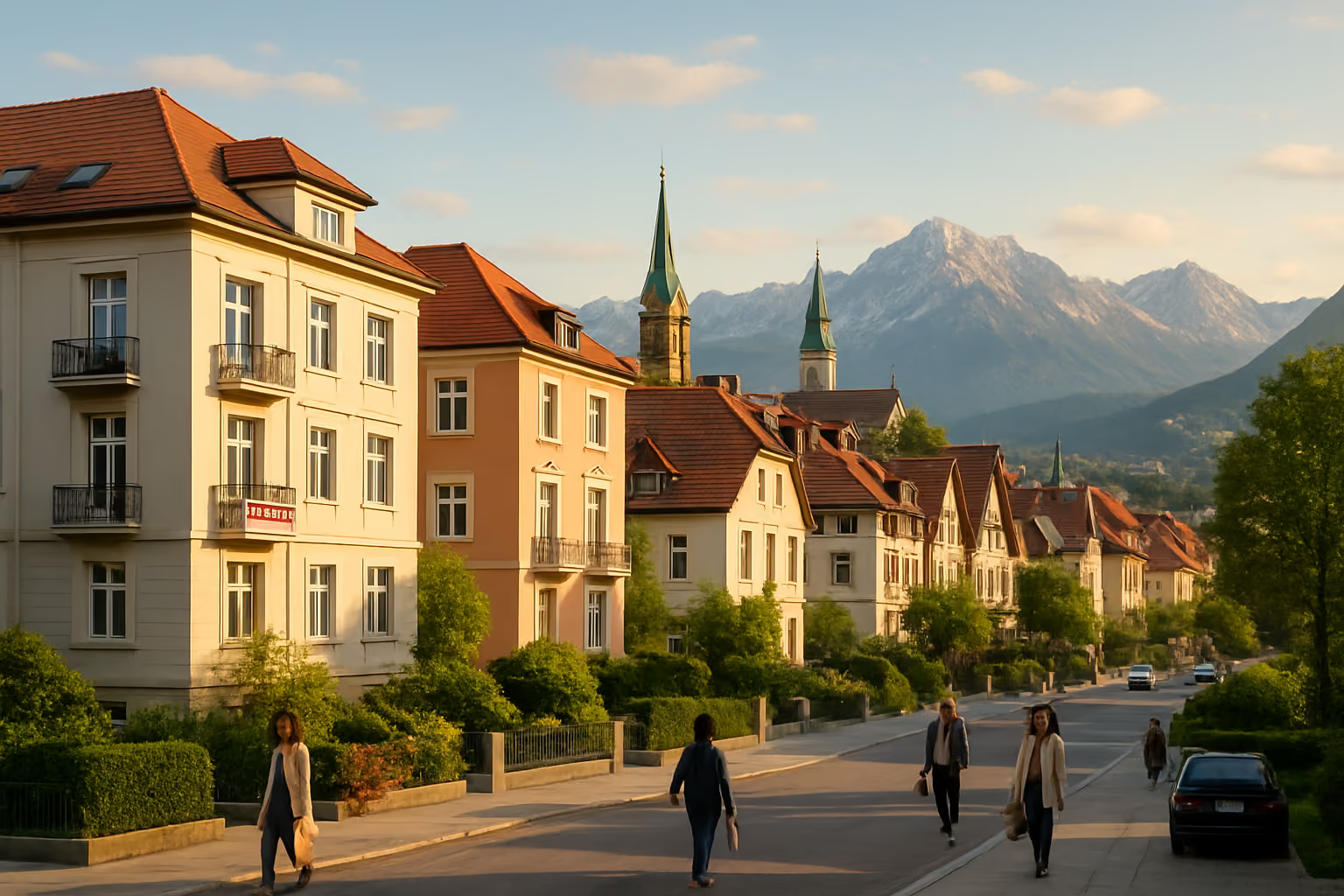
Austria offers an exceptional quality of life with excellent public services, safety, and natural beauty, but the costs can add up quickly. With average monthly expenses ranging from €1,100 to €1,330 in major cities and housing taking up nearly 25% of your budget, careful financial planning is essential. While salaries are competitive and public services like healthcare and education provide excellent value, the initial sticker shock of rent prices—particularly the €880-€2,050 range for apartments in cities like Vienna—can feel overwhelming for newcomers.
However, innovative solutions like co-ownership are changing the affordability equation entirely. By sharing property ownership costs, you can significantly reduce your largest monthly expense while still enjoying Austria's high standard of living. Whether you're drawn to Vienna's cultural richness, the Alpine beauty of Salzburg, or the affordability of cities like Graz, co-ownership makes Austrian living more accessible without compromising on the quality lifestyle that draws expats here in the first place. The investment in Austria's quality of life—from world-class healthcare to efficient public transport—becomes much more manageable when you're not shouldering housing costs alone.