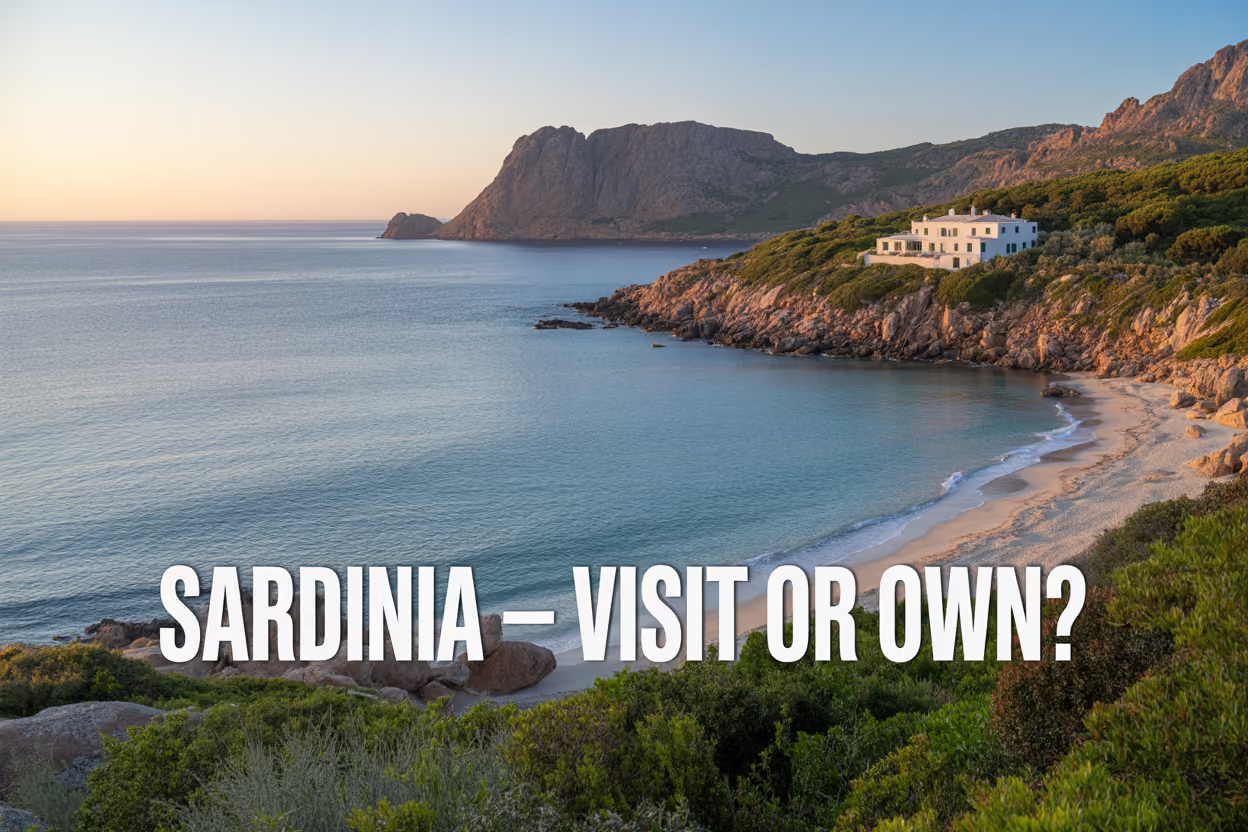
Best Time to Visit Sardinia — And Why You Might Want to Own There Instead
If you're searching for the best time to visit Sardinia, you already know this island is worth your attention. What you might not know yet is that the month you choose can completely change your experience — and that for some people, one trip is enough to start thinking bigger than a holiday.
This guide is for you if you're planning your first or second trip and want to get the timing right. It's also for you if you've already fallen for the place and you're quietly wondering what it would look like to have a reason to come back every year.
Here's what we'll cover: which months actually deliver on the Sardinia lifestyle promise versus which ones leave you stuck in traffic behind a million Italian families, what the island looks like when the tourists go home (spoiler: it's genuinely special), and why some visitors stop booking holidays and start looking at property instead.
Why the Timing of Your Sardinia Visit Changes Everything
How Season Shapes Your Entire Experience
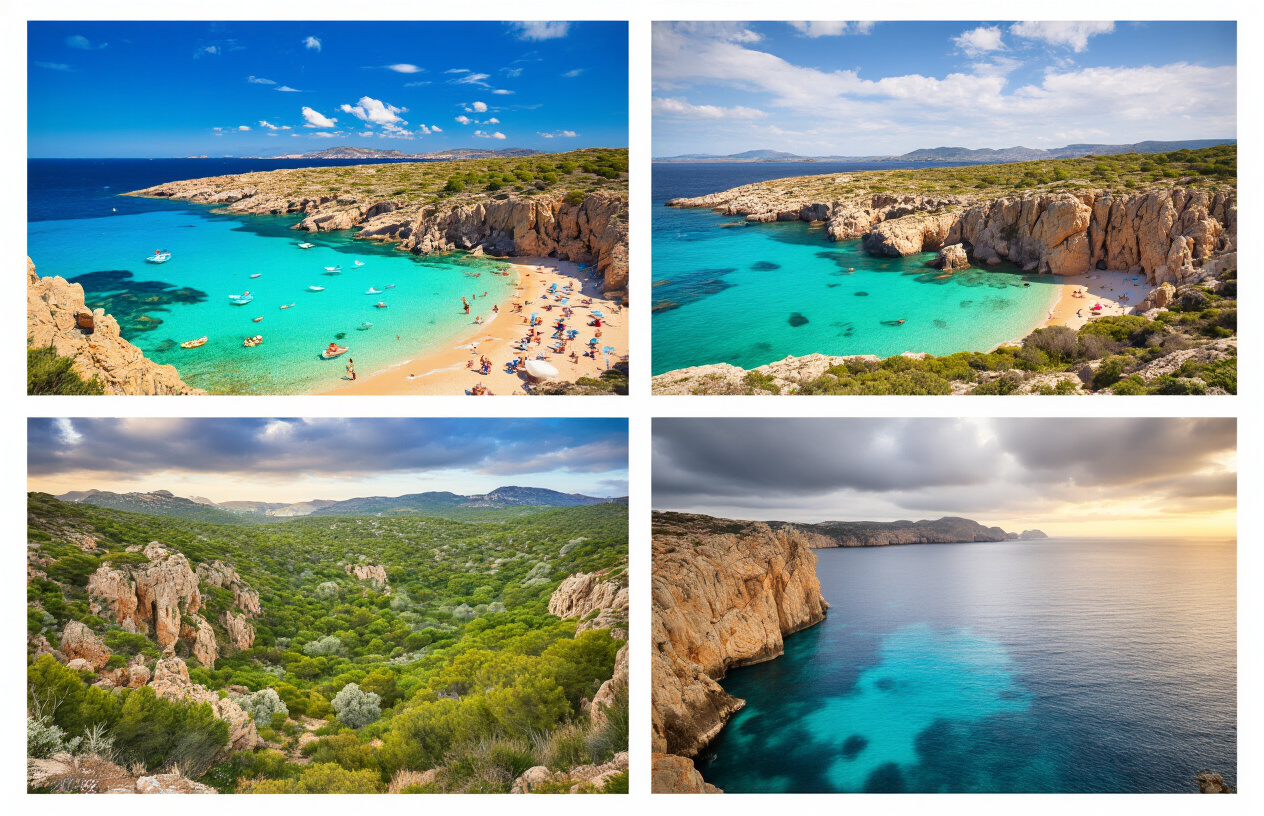
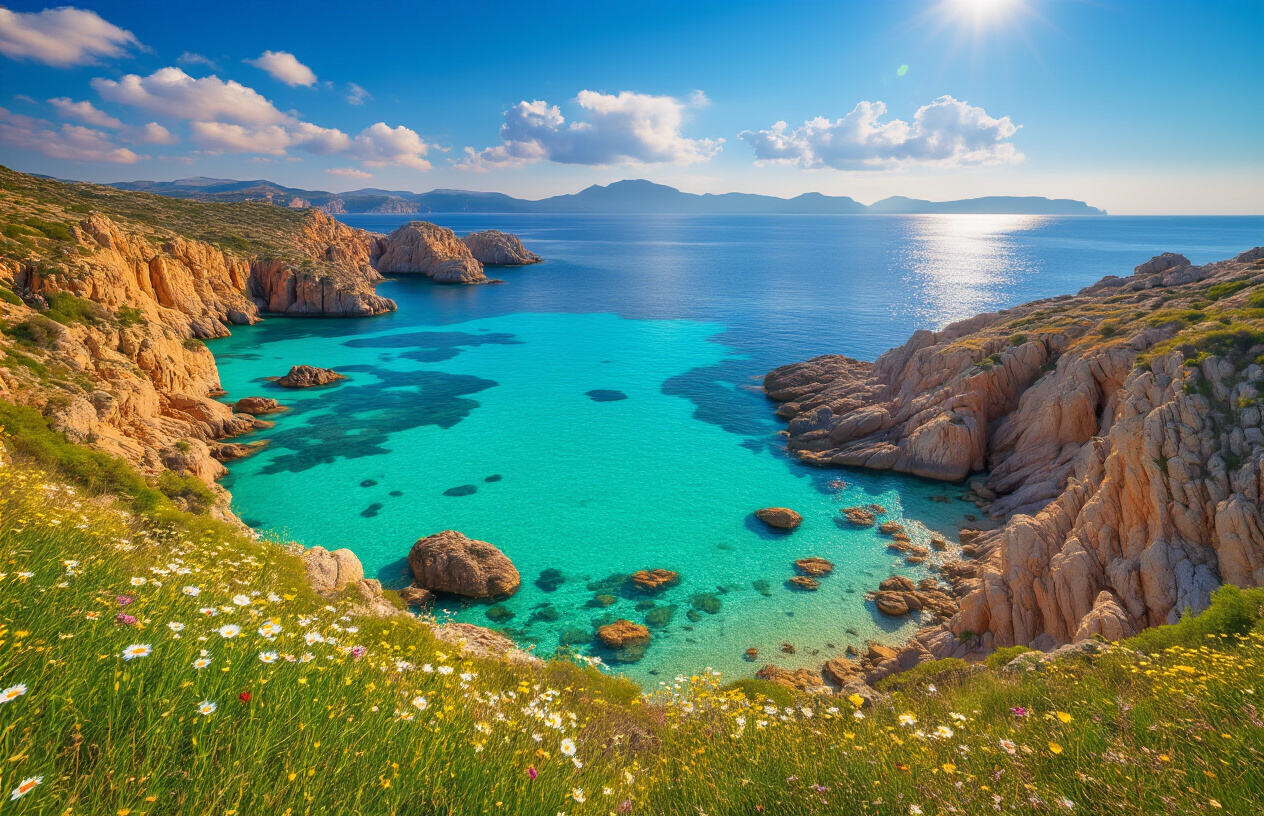
Sardinia is warm enough for the beach from May to October, but your experience shifts dramatically depending on when you arrive. Summer delivers vibrant festivals and crystal-clear waters, while spring and autumn reward you with wildflowers, quieter trails, and cultural depth that peak-season crowds simply miss.
Key Factors to Balance: Weather, Crowds, Cost, and Flights
With this in mind, your ideal visit hinges on balancing four variables: temperature, tourist density, accommodation rates, and transport availability. July and August bring the highest prices and the heaviest crowds, while May, September, and October offer the best conditions for beaches, hiking, and budget-conscious planning alike.
September: The Single Best Month to Visit Sardinia
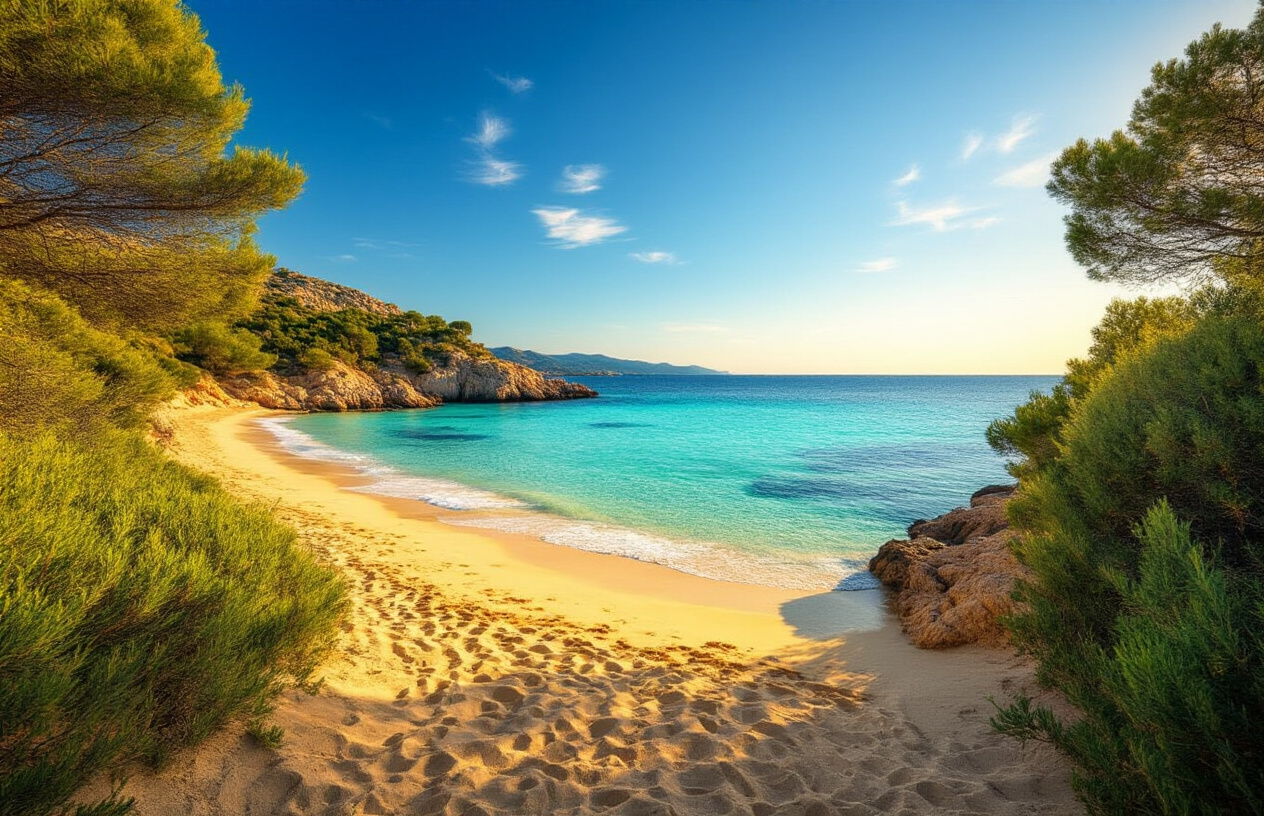
Perfect Sea and Air Temperatures for Swimming and Exploring
In September, daytime temperatures in Sardinia sit between 25–29°C, while the sea retains summer warmth, making it ideal for swimming. Evenings cool pleasantly, perfect for waterfront strolls or al fresco dining.
Dramatic Drop in Crowds, Lower Prices, and Reliable Flights
You'll find beaches far less crowded, with prices dropping 30–40% on flights, hotels, and car rentals compared to peak summer. Frequent flight connections continue operating, keeping your journey straightforward and affordable.
July and August: What You Are Really Signing Up For
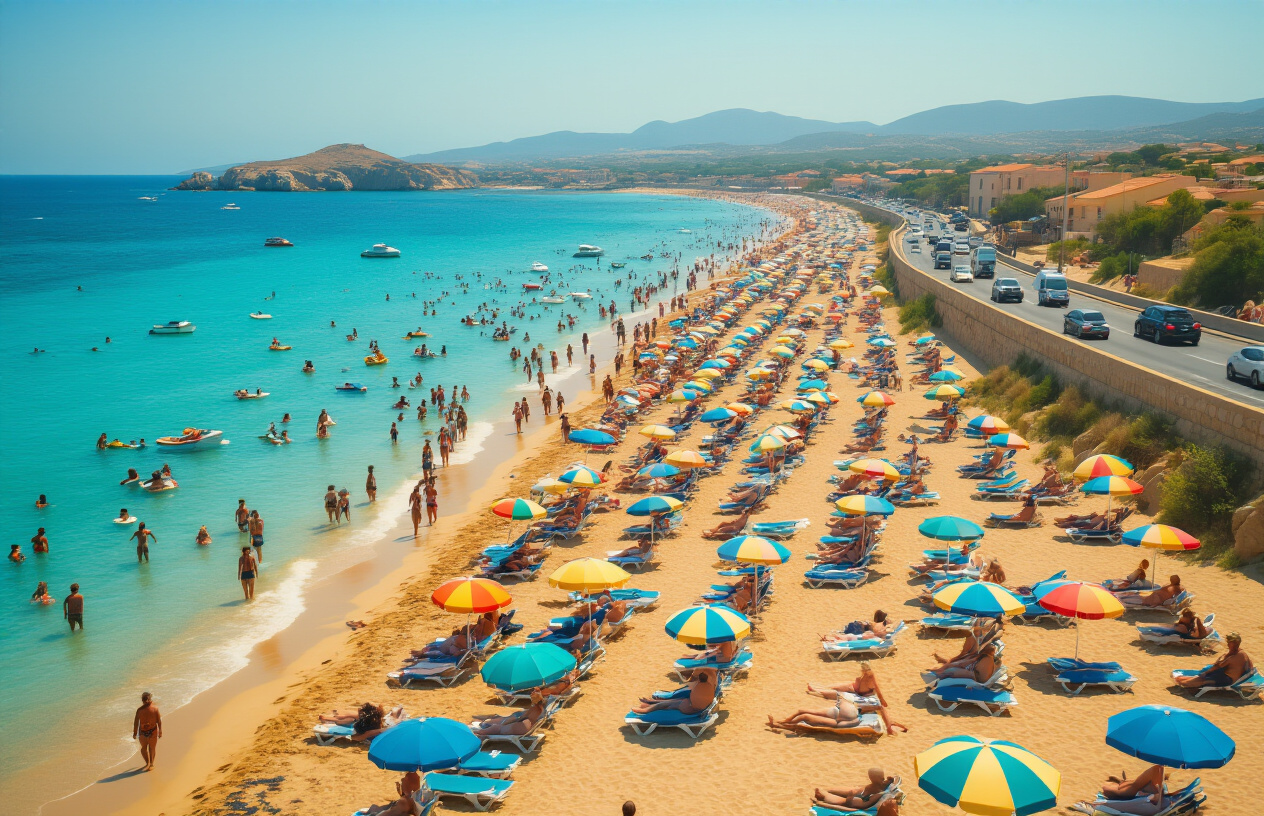
Extreme Heat, Maximum Crowds, and Ferragosto Chaos
July and August mean 29–31°C coastal temperatures, with inland spikes exceeding 38°C. Ferragosto (August 10–20) hits absolute peak — beaches fill by 8:30 AM, parking lots close before 9 AM, and restaurants require 3–7 days advance booking.
Prices That Can Double or Triple Across All Services
Expect accommodation at €280–400+ nightly during Ferragosto versus €80–150 in shoulder months. Ferry crossings sell out months ahead, and flight prices rise 40–80%.
May and Early October: The Best Months for Budget and Active Travelers
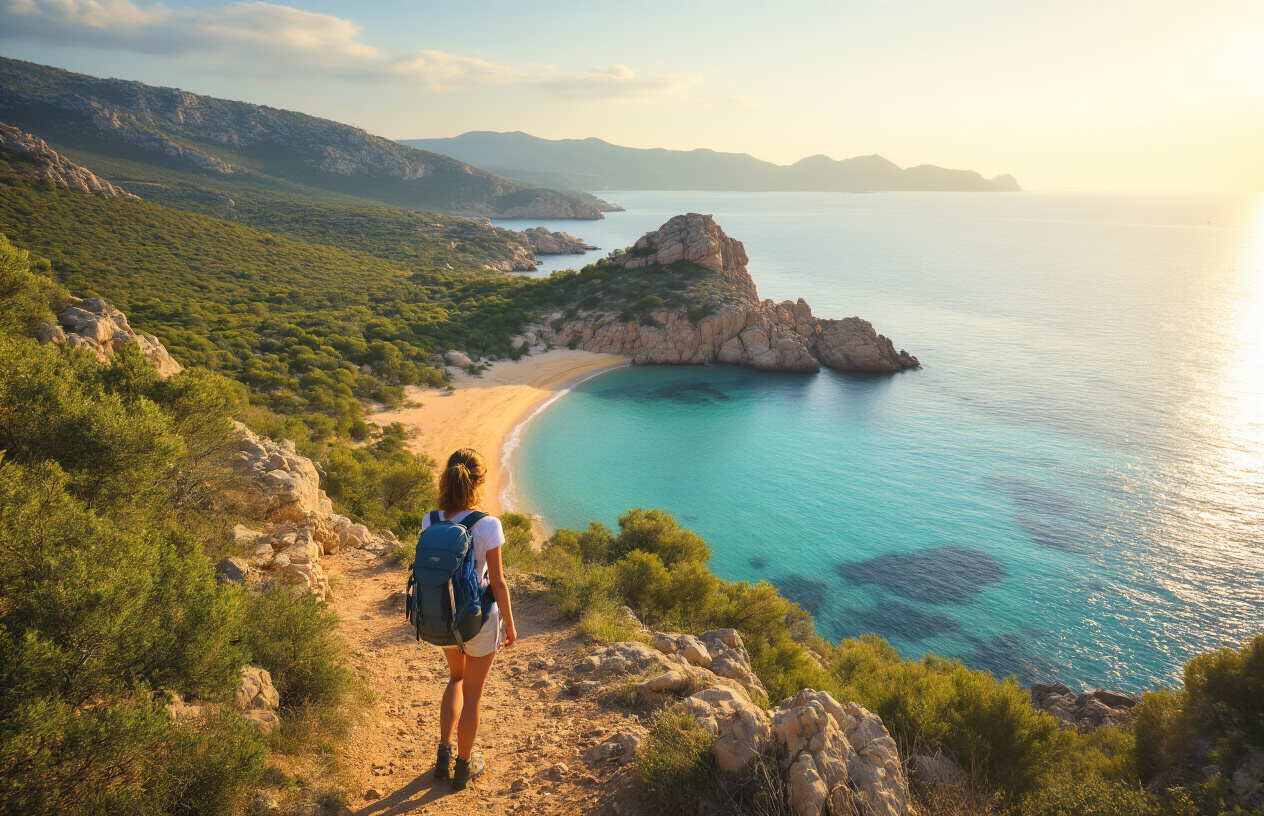
Ideal Conditions for Hiking, Cycling, and Exploring Towns
In May and early October, you'll find Sardinia's temperatures perfect for active pursuits. Cooler conditions make hiking the Gennargentu mountains and cycling coastal routes genuinely enjoyable, while towns feel authentically local rather than overwhelmed by tourists.
Significant Savings on Accommodation, Car Hire, and Flights
Your shoulder-season timing rewards you financially. Accommodation drops 25–40%, car rentals fall to around €40/day versus €100+ in peak months, and budget flights remain readily available — making the best time to visit Sardinia surprisingly affordable.
Off-Season Hidden Gems Worth Discovering Beyond the Beach
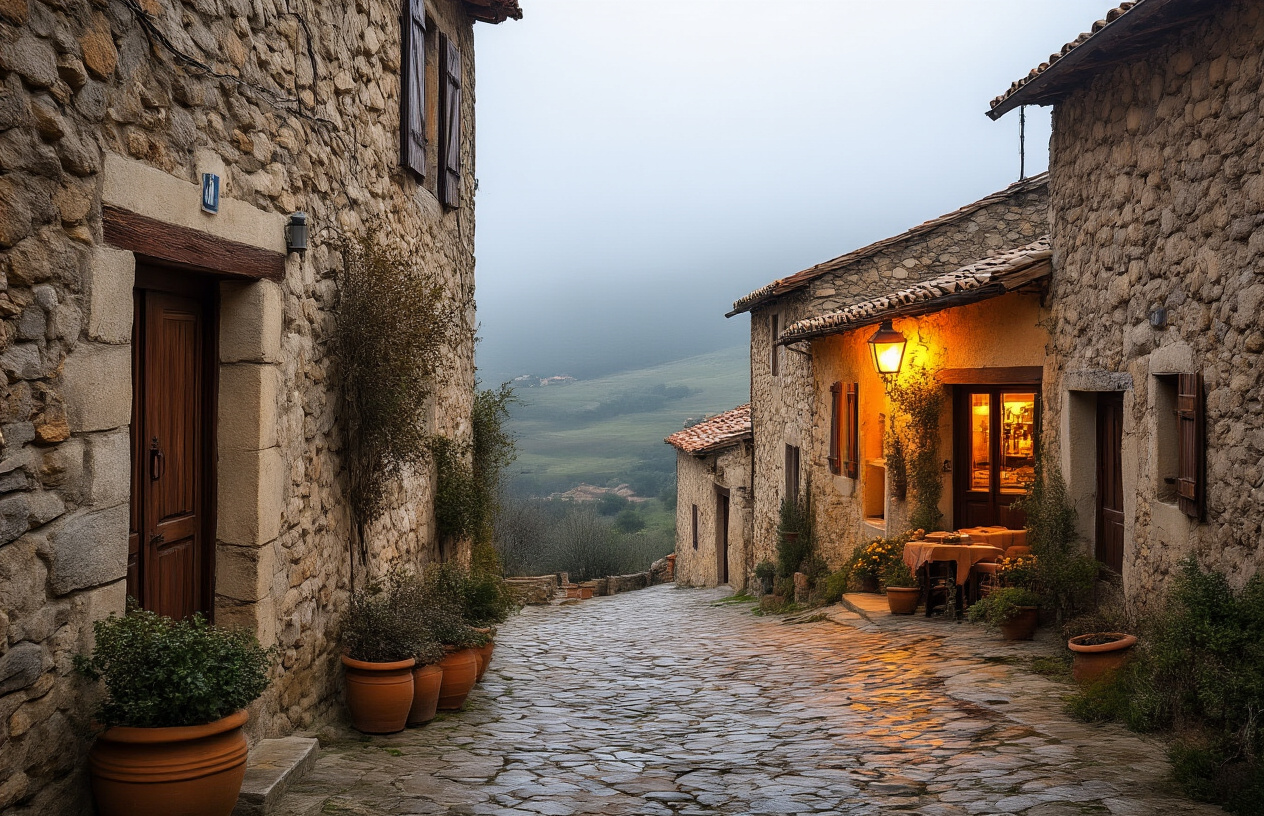
Top Hiking Trails and Nature Experiences in Spring and Autumn
Your off-season itinerary can include the Sinis Peninsula, Capo Caccia, and the Golfo di Orosei trails, plus a guided hike to the hidden Nuragic village of Tiscali.
Charming Towns, Food, and Crowd-Free Beaches
Explore Alghero and colorful Bosa without summer chaos. Dine at agriturismos like Agriturismo Barbagia for €30–40 fixed menus. Photograph La Pelosa or Cala Liberotto before crowds arrive.
Winter in Sardinia: A Completely Different Island Experience
What Stays Open and Where to Base Yourself
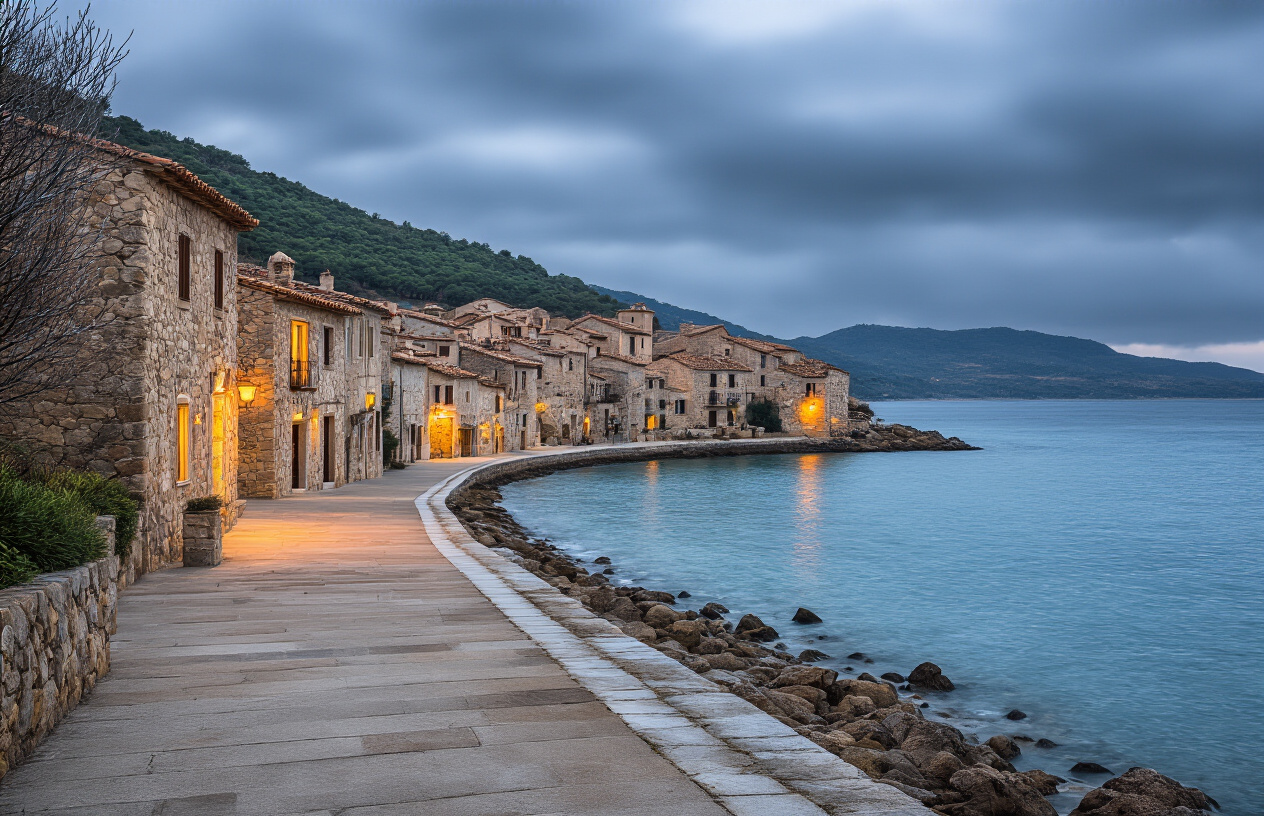
Cagliari remains your best winter base, with hotels, restaurants, and museums fully operational. Larger towns like Alghero and Sassari also stay active, while coastal resorts such as Costa Rei largely close.
Flight Limitations and How to Navigate Connections
Some routes, like Amsterdam, suspend direct service November–March. However, London and Paris connections run year-round, and you can always connect through Rome or Milan.
Cultural Immersion, Local Festivals, and Authentic Town Life
Winter unlocks Sardinia's soul. Carnival celebrations in Mamoiada and Oristano's spectacular Sartiglia jousting tournament offer unforgettable authentic experiences you simply won't find during crowded summer months.
Month-by-Month Weather and Conditions at a Glance
Temperature, Sunshine, Rainfall, and Sea Temperature by Month
| Season | Months | Temp Range | Conditions |
|---|---|---|---|
| Spring | Apr–Jun | 15°C–25°C | Low rainfall, ideal for exploring |
| Summer | Jul–Aug | Up to 35°C | Hot, sunny, warm seas |
| Autumn | Sep–Oct | 18°C–28°C | Pleasant, slight rain increase |
| Winter | Nov–Mar | 7°C–15°C | Mild, wetter, quieter |
Regional Variations Between Coast, Inland, and Mountain Areas
Your experience varies significantly depending on where you are. Coastal areas stay mild even in winter, rarely dropping below 10°C, while mountainous inland regions offer cooler conditions that make spring hiking particularly rewarding. With this in mind, your destination within Sardinia matters as much as your travel month.
Practical Planning Priorities Before You Book
Check Direct Flight Availability for Your Exact Dates First
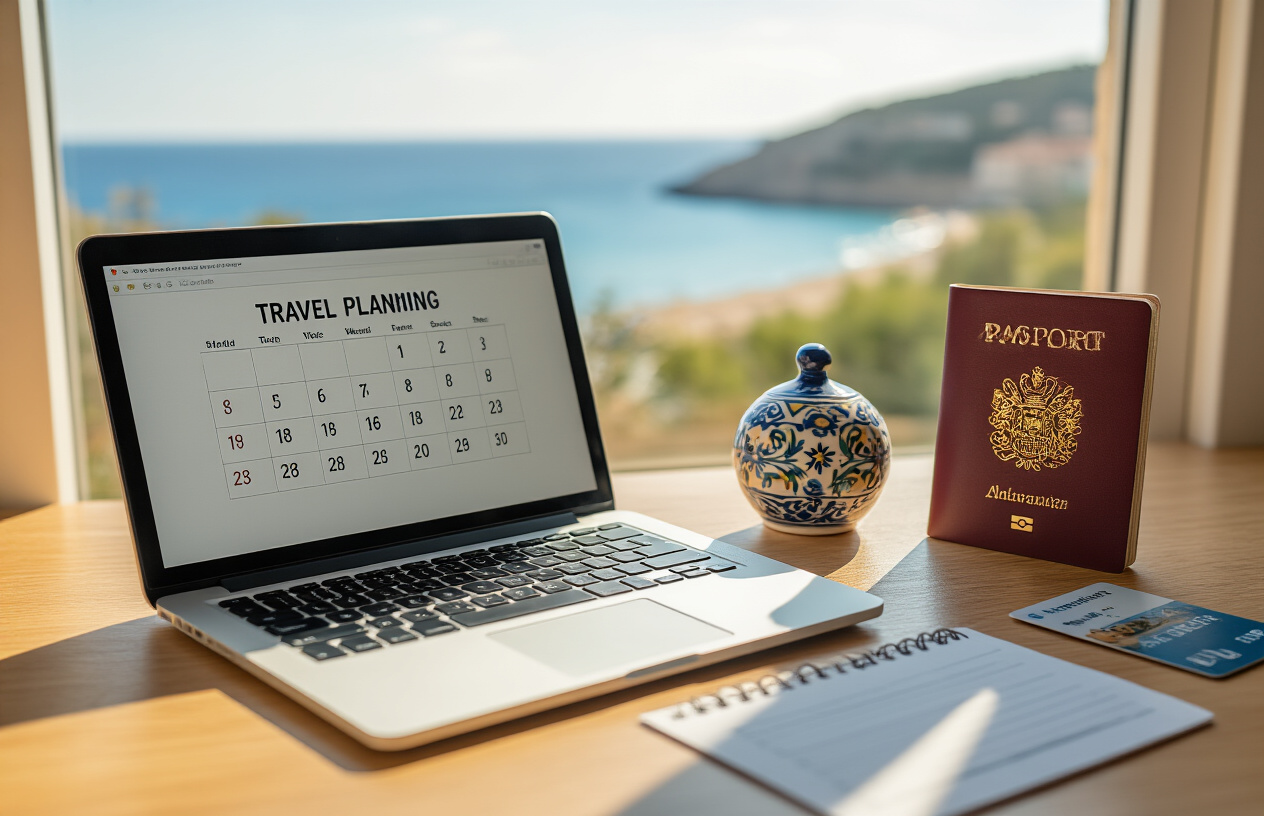
Start with Olbia Costa Smeralda Airport, which offers the widest flight options for northern Sardinia. Alghero Airport works well if your trip continues toward Tuscany or Rome.
Book Car Hire Early to Avoid Price Spikes and Shortages
Renting a car is essential. Use Discover Cars, choose full coverage, and opt for trusted companies like Hertz, Alamo, or Sixt. Book early, especially during peak summer months, to avoid shortages.
From Visitor to Owner: Why Sardinia Could Be More Than a Holiday
The Appeal of Having a Permanent Base on the Island
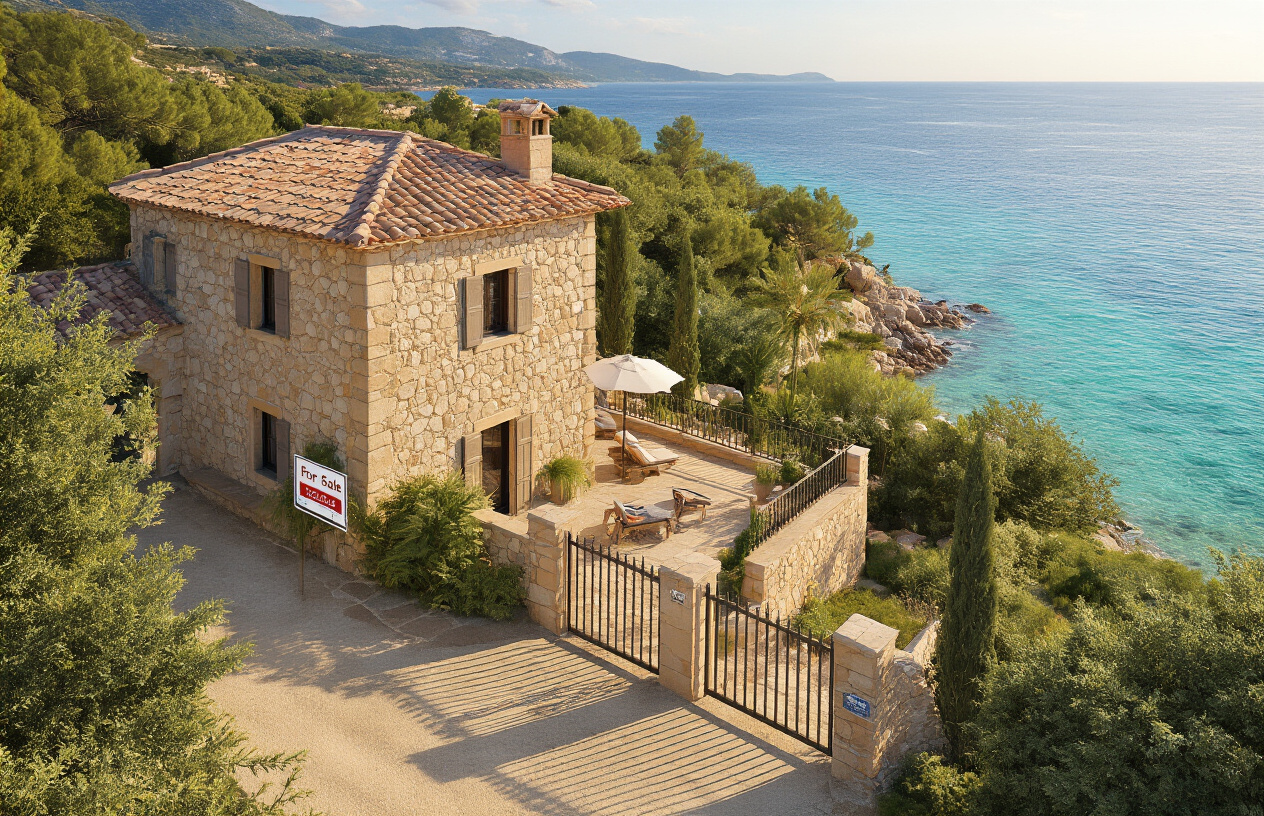
Now that we've covered the best times to visit, consider making Sardinia your permanent base. You can purchase beach-front villas, apartments in historic towns like Alghero, or inland retreats. Retirees benefit from a flat 7% tax on foreign income, while remote workers can pay a €100,000 annual lump sum on foreign earnings.
Benefits of Owning in a Destination With Strong Seasonal Demand
With tourist demand in clear growth, your Sardinia property offers reliable rental income during peak seasons. Property values are expected to increase, especially near cultural and coastal attractions. You can recover purchase costs quickly through safe rental returns, while government incentives—including up to 50% renovation contributions in smaller towns—make your investment even more financially attractive. Listings like Palau Piccolo, a MYNE-managed share in Palau near Costa Smeralda, show what that ownership actually looks like — from €119,000.
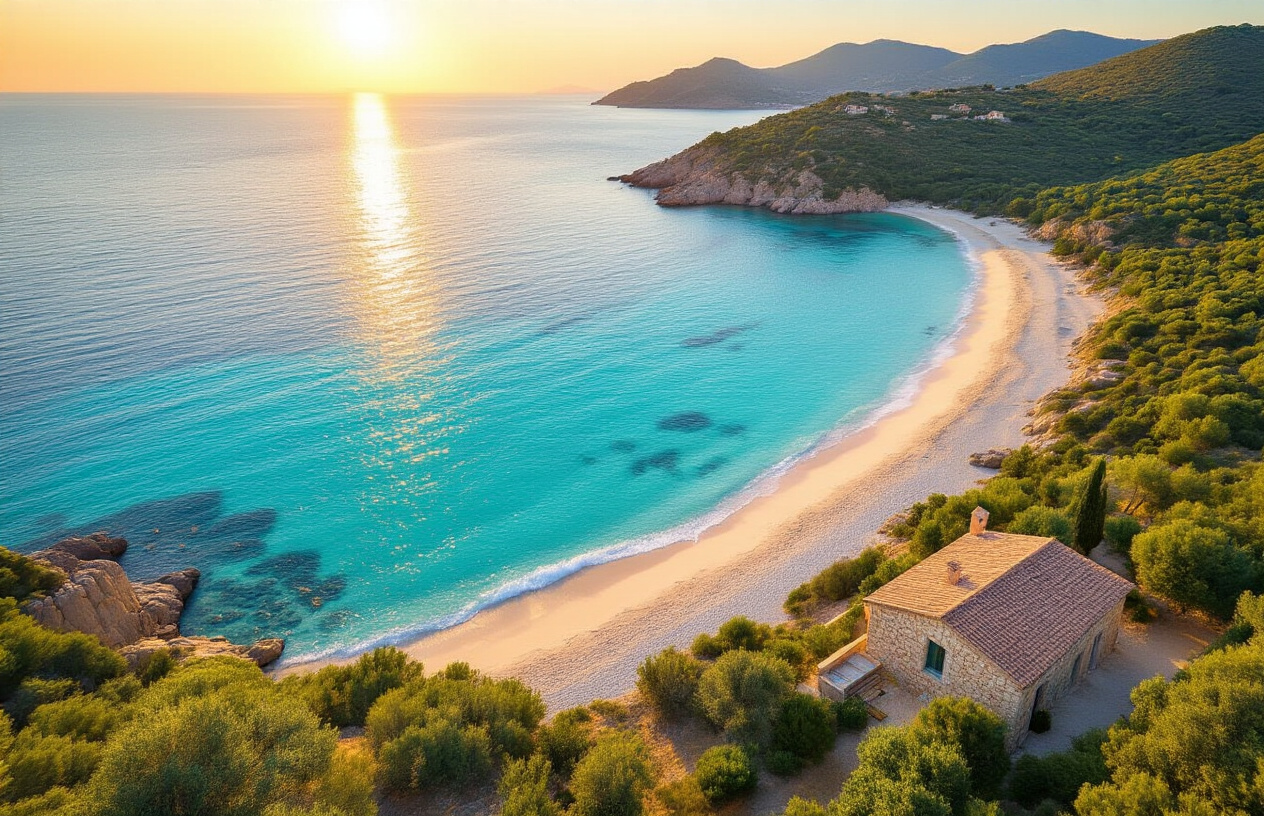
Sardinia rewards those who time their visit well. September remains the standout choice — warm seas at 24°C, 70% fewer crowds than August, prices 30-40% lower, and reliable sunshine. If school schedules dictate your travel, June is your best alternative before the Italian holiday rush hits. May and early October suit active travellers and budget-conscious visitors, while winter opens up a completely different side of the island for those drawn to culture, food, and authentic local life. Whichever month you choose, getting your priorities right — direct flights, sea temperature, car hire, and Italian school calendars — will shape your experience more than anything else.
But here is the thought worth sitting with: if you find yourself planning a return trip before your current one has even ended, Sardinia has a way of doing that to people. The island is large enough to keep revealing new corners, and every season shows you something different. For some visitors, the question eventually shifts from when to visit to whether owning a piece of it might make more sense. If that idea has crossed your mind, you are not alone — and it is worth exploring seriously.