You've Searched for the Best Time to Visit Marbella — But the Real Question Might Be Bigger Than That
If you're planning a trip to Marbella, Spain, you're probably trying to nail down when to go, what the weather's actually like, and whether the crowds are worth dealing with. This guide covers all of that — month by month, no fluff.
But here's where it gets interesting. Once you start digging into the Marbella lifestyle, the cost of living, and how different the place feels depending on the season, a lot of people stop asking "when should I visit?" and start asking "how do I spend more time here?"
Here's what you'll find in this guide:
- How Marbella's climate works across every season — and why it's one of the few places in Europe that holds up year-round
- Which months actually suit your travel style — families, couples, golfers, and solo travellers all have a different answer
- Why co-owning in Marbella is worth a serious look — especially if you keep coming back and doing the holiday villa math in your head
Whether you're working out your first trip or your fifth, this breaks it all down simply and honestly.
Marbella's Climate and Why It Works Year-Round
Geographic Advantages That Create 320 Days of Sunshine Annually
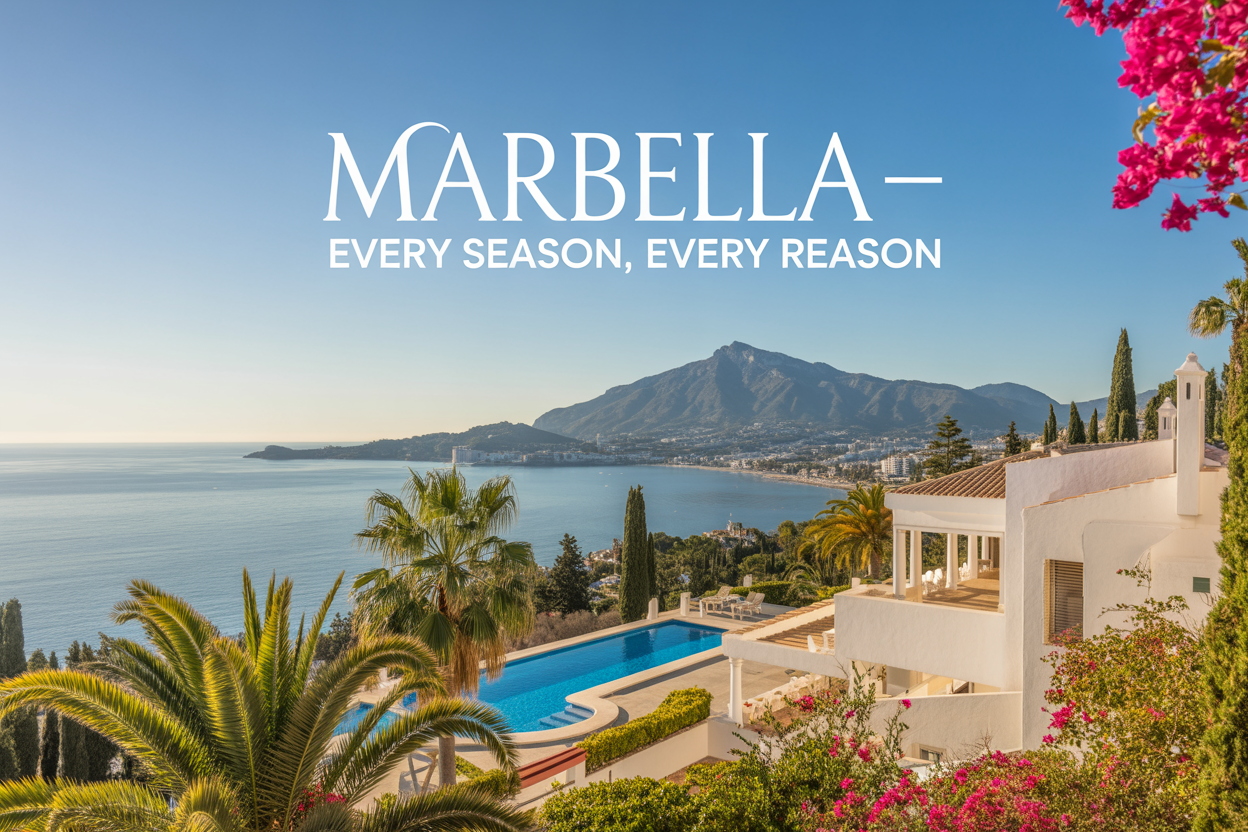
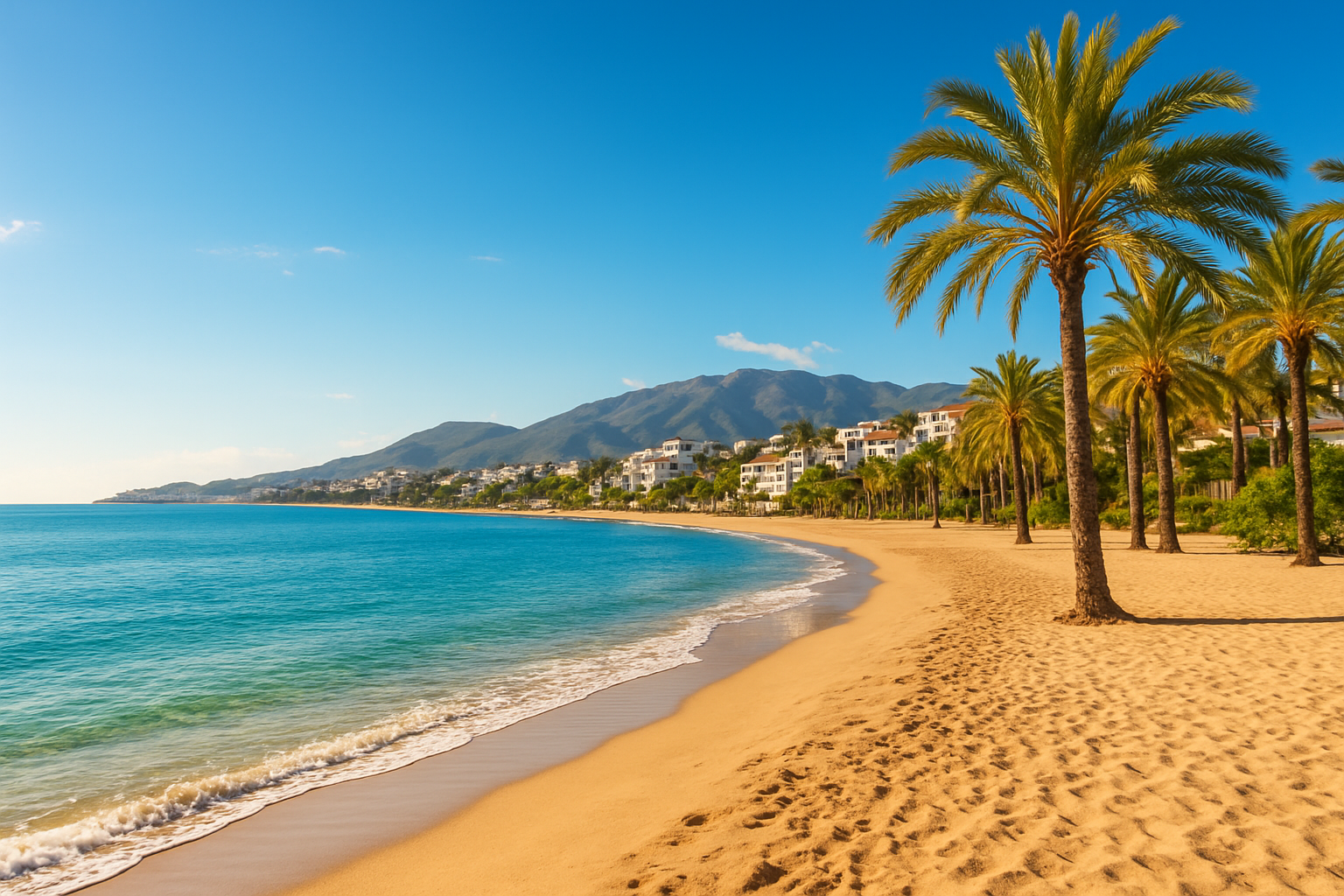
Marbella's position along the Costa del Sol isn't just scenic — it's strategically perfect. Sandwiched between the Mediterranean Sea and the Sierra Blanca mountains, your experience here is shaped by a microclimate unlike anywhere else in Europe. With approximately 320 days of sunshine and 2,900 hours of sunlight annually, it's easy to understand why this is considered one of the sunniest destinations on the continent.
How the Sierra Blanca Shields the City From Harsh Andalusian Winters
The Sierra Blanca does more than provide a dramatic backdrop. It actively blocks cold northern winds in winter, preventing frost from ever taking hold. In summer, it slows hot inland air before it reaches the coast. Meanwhile, the Mediterranean Sea acts as a natural thermostat — releasing warmth in winter and absorbing heat in summer. Together, these forces eliminate the extremes you'd encounter elsewhere in Andalusia.
Why Average Temperatures of 20°C Make Every Season Viable
For anyone considering living in Marbella or determining the best time to visit Marbella, Spain, the numbers speak clearly:
Every month remains genuinely liveable — no season forces you indoors.
Spring in Marbella — Warmth, Value, and Fewer Crowds
March and April: Green Landscapes, Comfortable Temperatures, and Semana Santa Charm
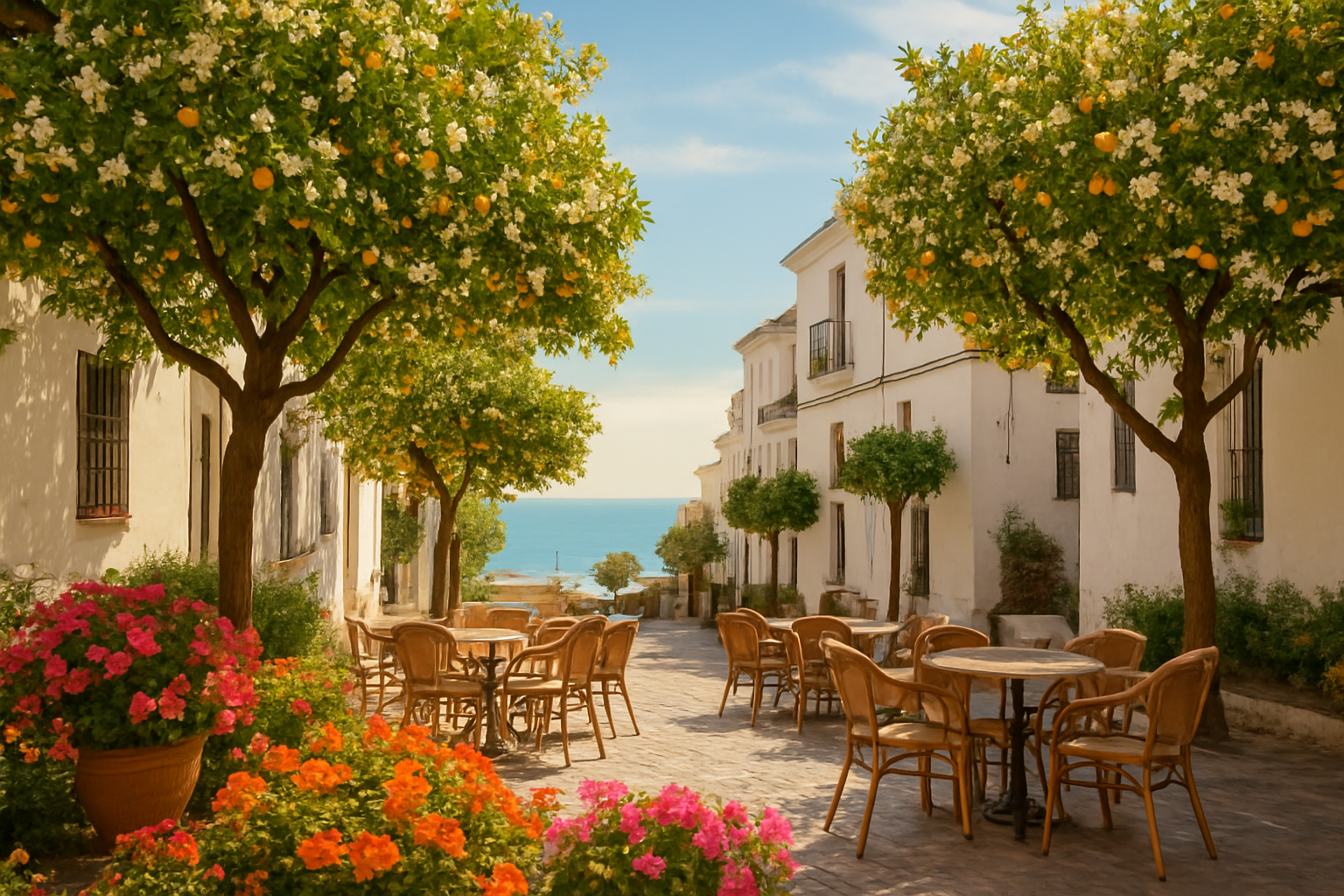
When thinking about the best time to visit Marbella, spring deserves your serious attention. March welcomes you with temperatures reaching 18–20°C, countryside that's still lush and green, and a quietude that summer never offers. April refines the experience further — warm, clear days with light that photographers dream about.
Semana Santa transforms Marbella's Old Town into something genuinely moving. Rather than avoiding Easter week, build your trip around it. Processions through narrow streets, traditional music, and solemn ceremony offer an authentically Spanish cultural experience you simply won't find in peak season.
May as the Finest Shoulder Season Month for Couples and Discerning Travellers
May is arguably the Costa del Sol's single finest month. Temperatures settle into the mid-20s, the sea warms toward swimmable, and the Marbella lifestyle reveals itself without the summer circus. For couples especially, this is where the destination genuinely shines — unhurried, atmospheric, and refined.
Lower Villa Prices and Easy Restaurant Access Without Sacrificing Quality
Your budget works significantly harder in spring. Villa rates run 30–40% below peak summer pricing, meaning properties that feel out of reach in August become genuinely accessible. Restaurants that require weeks of advance booking in summer welcome you with a day's notice — same quality, better tables, more attentive service.
Summer in Marbella — Peak Season Energy and Full Capacity Living
June as the Civilised Entry Point with Long Evenings and Opening Beach Clubs
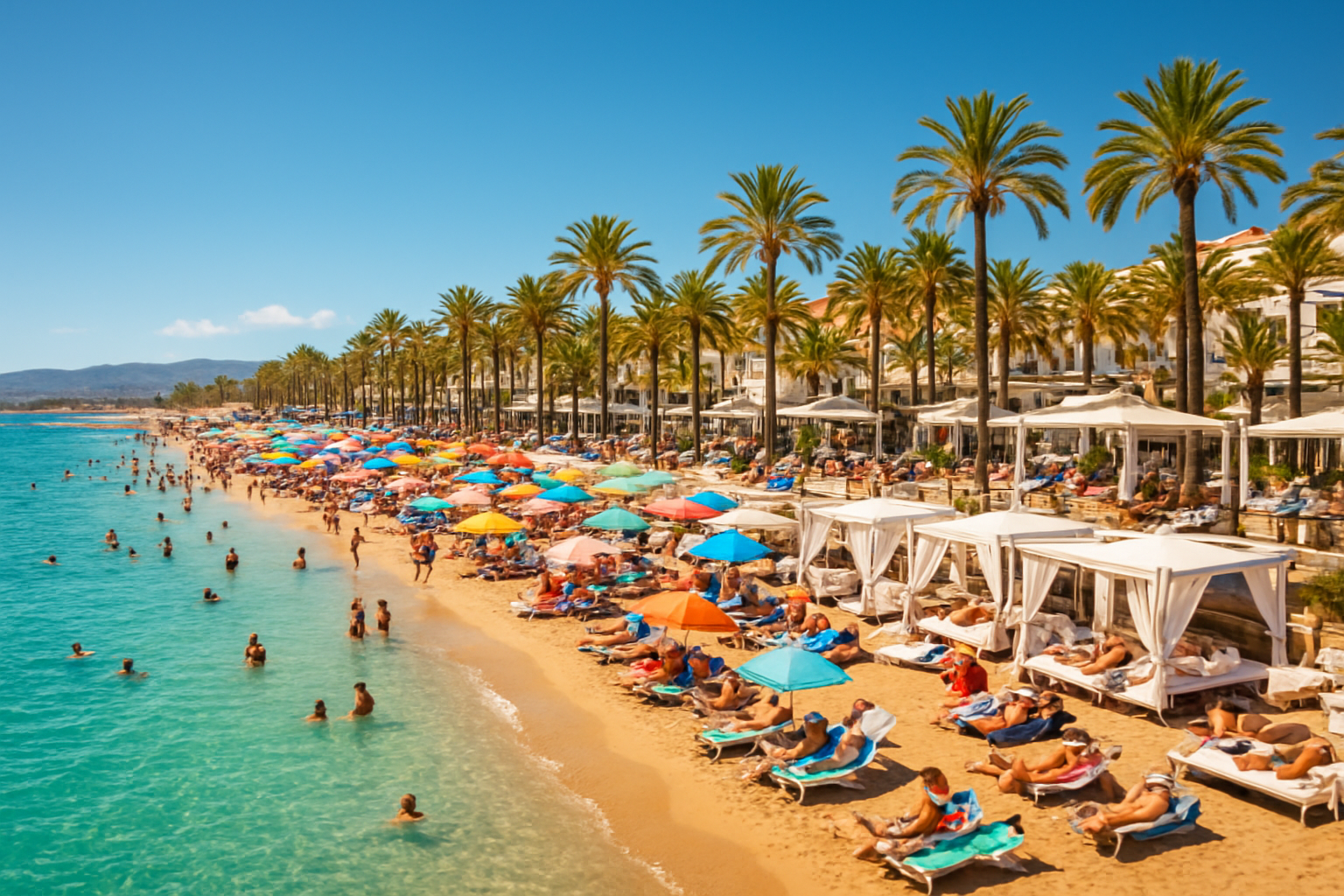
June is your ideal gateway into Marbella's high season. Temperatures are warm without overwhelming, and the long Andalusian evenings stretch past nine o'clock. Beach clubs begin operating at full capacity, yet the crowds haven't peaked — giving you the best of the marbella lifestyle without the August intensity.
July and August for Families, Events, and the Full Marbella Experience
With sea temperatures hitting 24–26°C and beach clubs running at full capacity, July and August deliver everything Marbella promises. If you're travelling with children, the infrastructure — activities, warm water, and endless stimulation — is purpose-built for families. Expect international crowds, high energy, and a packed events calendar.
Starlite Festival and Puerto Banús as Summer Highlights Worth Planning Around
Two anchors define your summer itinerary. The Starlite Marbella Festival, held in a natural quarry above the city, runs July through August and attracts internationally acclaimed artists. Puerto Banús, meanwhile, operates at peak spectacle — yachts, luxury boutiques, and vibrant nightlife all performing at full throttle.
Why Booking Six Months Ahead Is Essential for July and August
The best time to visit Marbella in summer comes with one firm condition: plan early. Villa availability is tight, prices peak, and popular venues fill quickly. Booking six months ahead isn't excessive — it's necessary.
Autumn in Marbella — The Insider's Best-Kept Secret
September's Warm Sea Temperatures and Retreating Crowds Make It the Sweet Spot
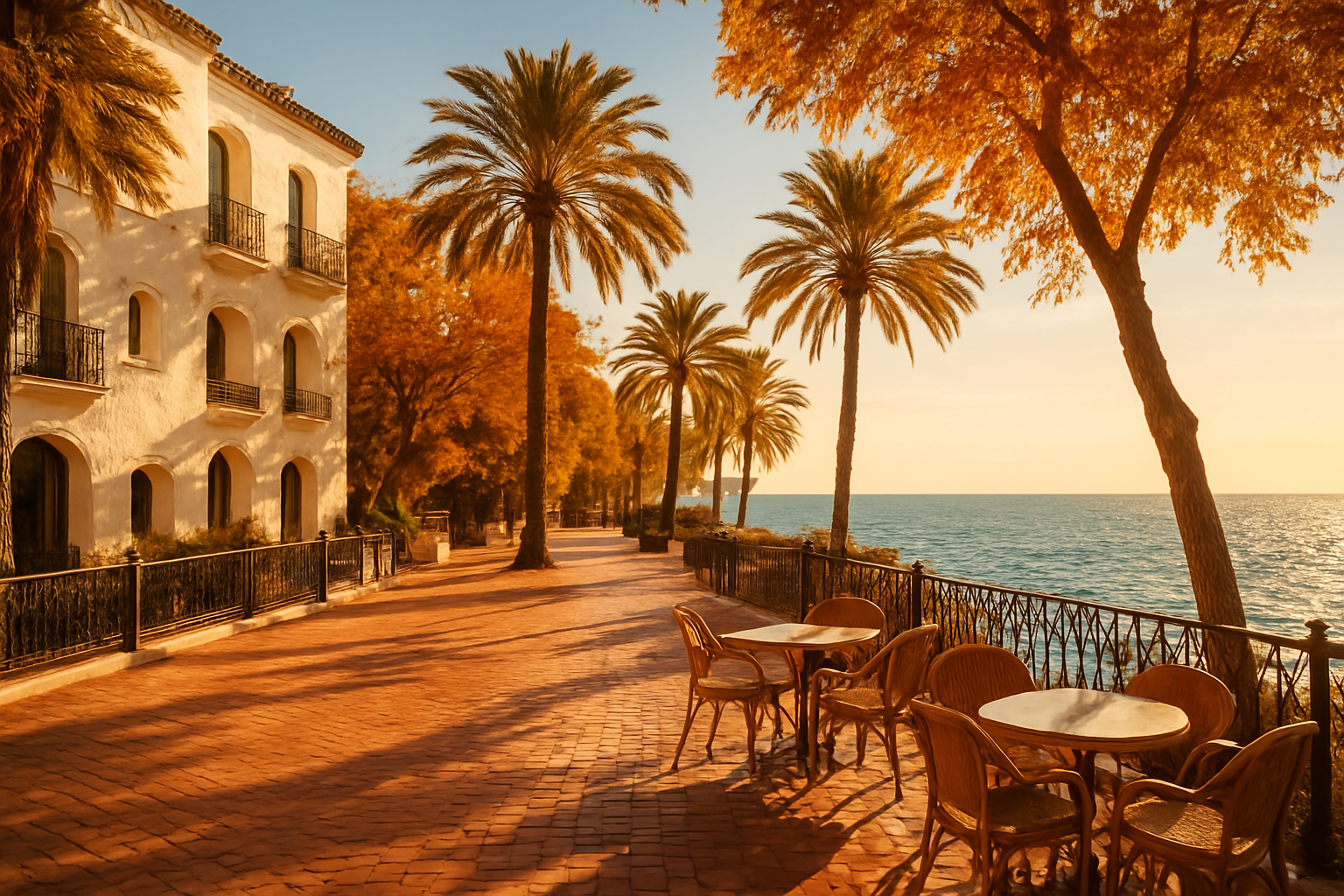
September is the open secret that experienced Marbella visitors guard closely. Crowds begin retreating around mid-month, temperatures settle at a perfect 26–28°C, and the sea reaches its warmest point of the entire year. If swimming in gloriously warm Mediterranean water with barely anyone around you sounds appealing, this is your month.
October for Golfers, Food Lovers, and Those Who Prefer an Unhurried Pace
October cools gently into the low-to-mid 20s, and your experience of Marbella shifts entirely. Restaurants that were booked solid in August suddenly become accessible. The courses at Los Naranjos, Valderrama, and La Quinta move to centre stage rather than acting as a secondary activity. If the Marbella lifestyle you're seeking is unhurried and genuinely local, October delivers it. The San Pedro Feria also gives you a taste of authentic Andalusian culture.
November's Quiet Charm and Meaningful Price Reductions for the Off-Season Traveller
With autumn deepening, November brings noticeable price reductions — making it one of the smarter months for value-conscious visitors. Daytime temperatures still regularly reach 18–20°C, and a clear November day with the Sierra Blanca above and the Mediterranean below, almost entirely to yourself, is genuinely worth having.
Winter in Marbella — Underrated Appeal for the Right Traveller
A. Mild Daytime Temperatures That Outperform Most of Northern Europe in Winter
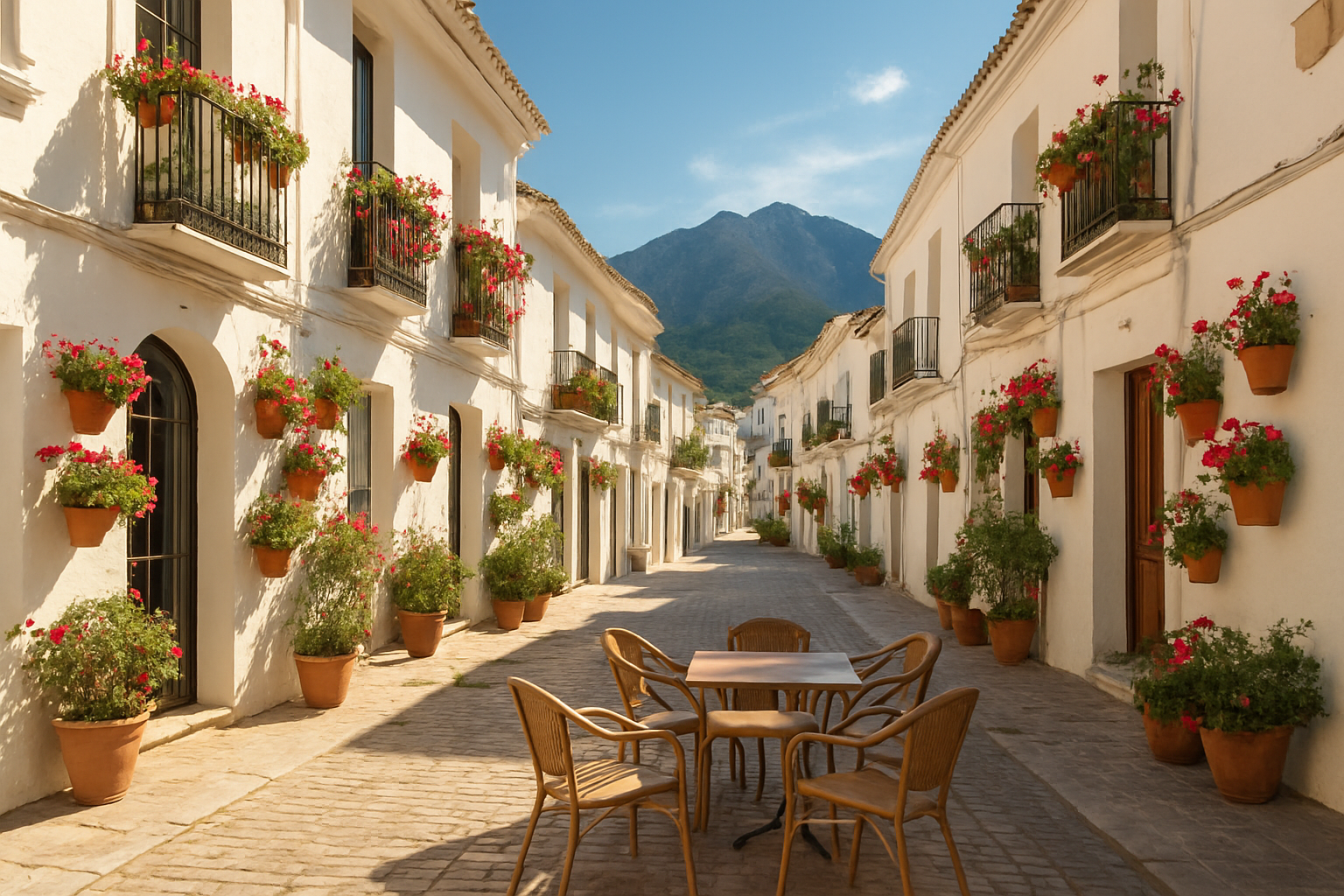
Marbella's winter is one of Europe's most underrated surprises. In December and January, daytime temperatures regularly reach 15–18°C in full sun — figures that leave most of northern Europe far behind. The Sierra Blanca shields the town from cold inland air, making your afternoon in Marbella feel almost indecent by comparison.
B. Old Town Charm, Festive Atmosphere, and Easy Restaurant Access in December
Winter hands you Marbella's old town at its most generous. You can browse boutiques without navigating crowds, claim a table in Plaza de los Naranjos without competition, and enjoy a restaurant entirely to yourself on a Tuesday evening. The Spanish festive calendar stretches through to Three Kings Day on 6th January, giving the town a warm, local character quite different from its summer identity.
C. Why Golfers, Retirees, and Remote Workers Thrive in the Low Season
If you're a golfer, this is your season — courses are in their finest condition and quieter than ever. For retirees and remote workers, the unhurried pace and accessible amenities make winter living in Marbella genuinely rewarding.
D. Lowest Villa Prices Making Premium Properties More Accessible
Winter brings the most favourable pricing of any season. A villa requiring a significant budget in August becomes considerably more accessible in January — giving you more Marbella for meaningfully less.
Who Should Visit Marbella and When

Families with Children
July and August are your safest bet if you're travelling with kids. Sea temperatures peak, every beach club and water activity is fully operational, and the festive atmosphere — from the Virgen del Carmen processions to beachside fireworks — keeps children genuinely entertained.
Couples and Romantics
If you want the best of Marbella without the peak-season crowds, May, June, or September are your ideal windows. Temperatures sit in the comfortable low-to-mid 20s°C, restaurants are relaxed yet buzzing, and you'll find the Marbella lifestyle far more intimate than in the height of summer.
Golfers
The best time to visit Marbella for golf is October through April. Summer heat can turn a round into an endurance test, whereas spring and autumn deliver mild temperatures that genuinely help your game. Post-summer, the greens are notably faster — a bonus worth planning around.
Culture and Food Travellers
Spring and autumn reveal the real Marbella. Easter's Semana Santa processions in April, the San Pedro Alcantara Fair in October, and quieter winters give you authentic local life without tourist noise. Restaurants are unhurried, staff are attentive, and prices across Marbella's cost of living spectrum work firmly in your favour.
Shoulder Season Value — More Marbella for Less
Why May and September Outperform Expectations Relative to Cost
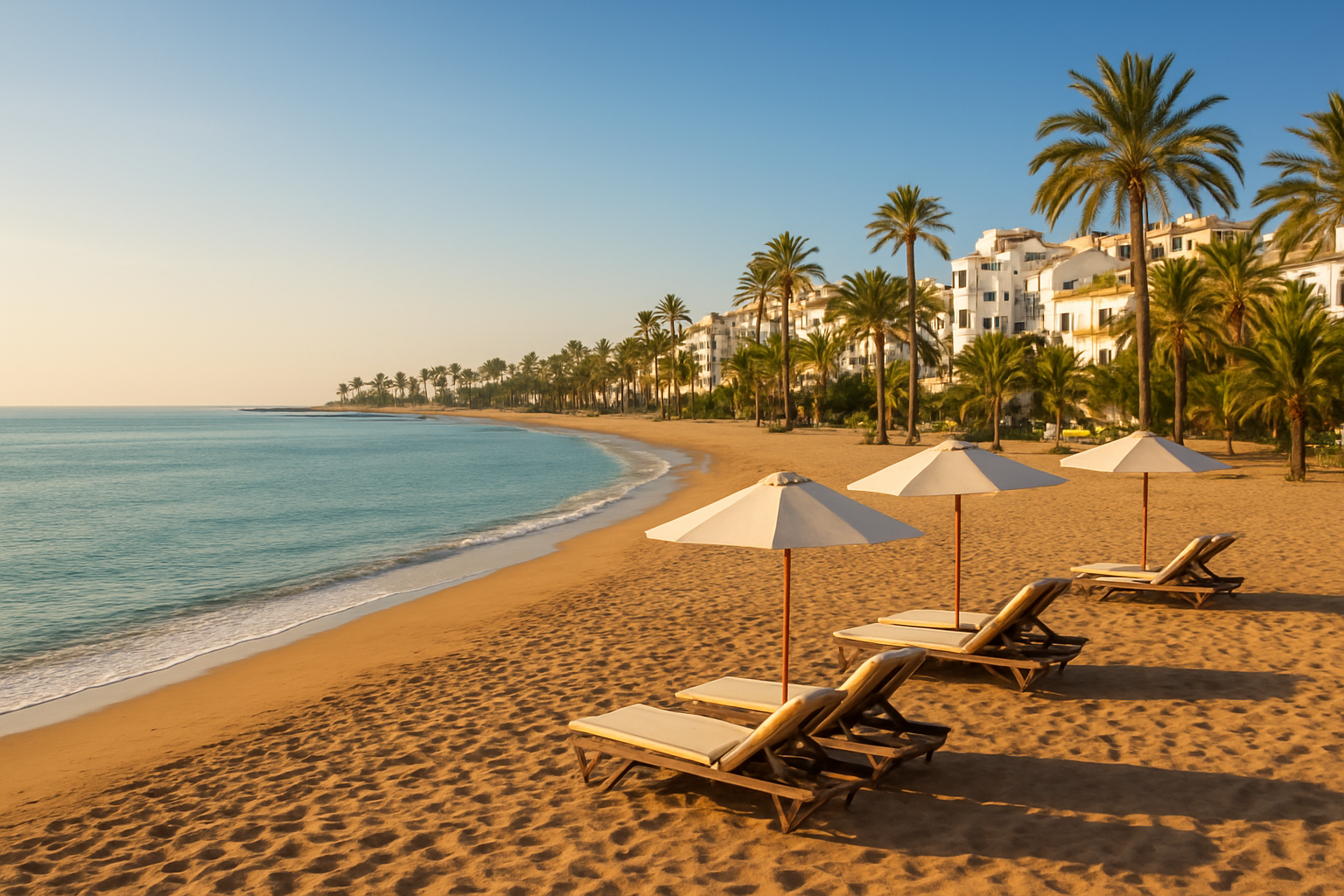
Previously, we've explored what each season offers in Marbella. Now, the shoulder months deserve a closer look — because for the savvy traveller, May and September represent the sweet spot of the Marbella lifestyle.
Both months deliver warm sunshine, minimal rainfall, and comfortable temperatures, yet pricing hasn't caught up with that quality. Restaurants remain fully operational, beach clubs run at their finest, and every experience you'd want is available — minus the August chaos.
Thirty to Forty Percent Villa Savings Compared to Peak August Rates
The numbers here are significant. Spring and early autumn villa rates run 30–40% lower than peak summer prices. That gap changes what your budget can actually access:
- Upgrade to a larger villa with better amenities for the same spend
- Book your dream location that felt out of reach in August
- Extend your stay — turning one week into two
Full-Quality Dining and Experiences Without the High-Season Premium
With this in mind, consider what that savings means beyond accommodation. In shoulder months, you secure terrace tables without weeks of advance planning, receive attentive service at top restaurants, and enjoy beach clubs without premium booking fees — full-quality Marbella, simply at a fairer price.
Why Co-owning in Marbella Makes More Sense Than Visiting
Year-Round Usability That Maximises Ownership Value Across All Seasons
With over 300 days of sunshine annually, your Marbella property works for you every month — not just in peak summer. Whether you visit in spring, shoulder season, or winter, the mild climate ensures your investment never sits idle.
The Private Villa Experience That Transforms Every Visit
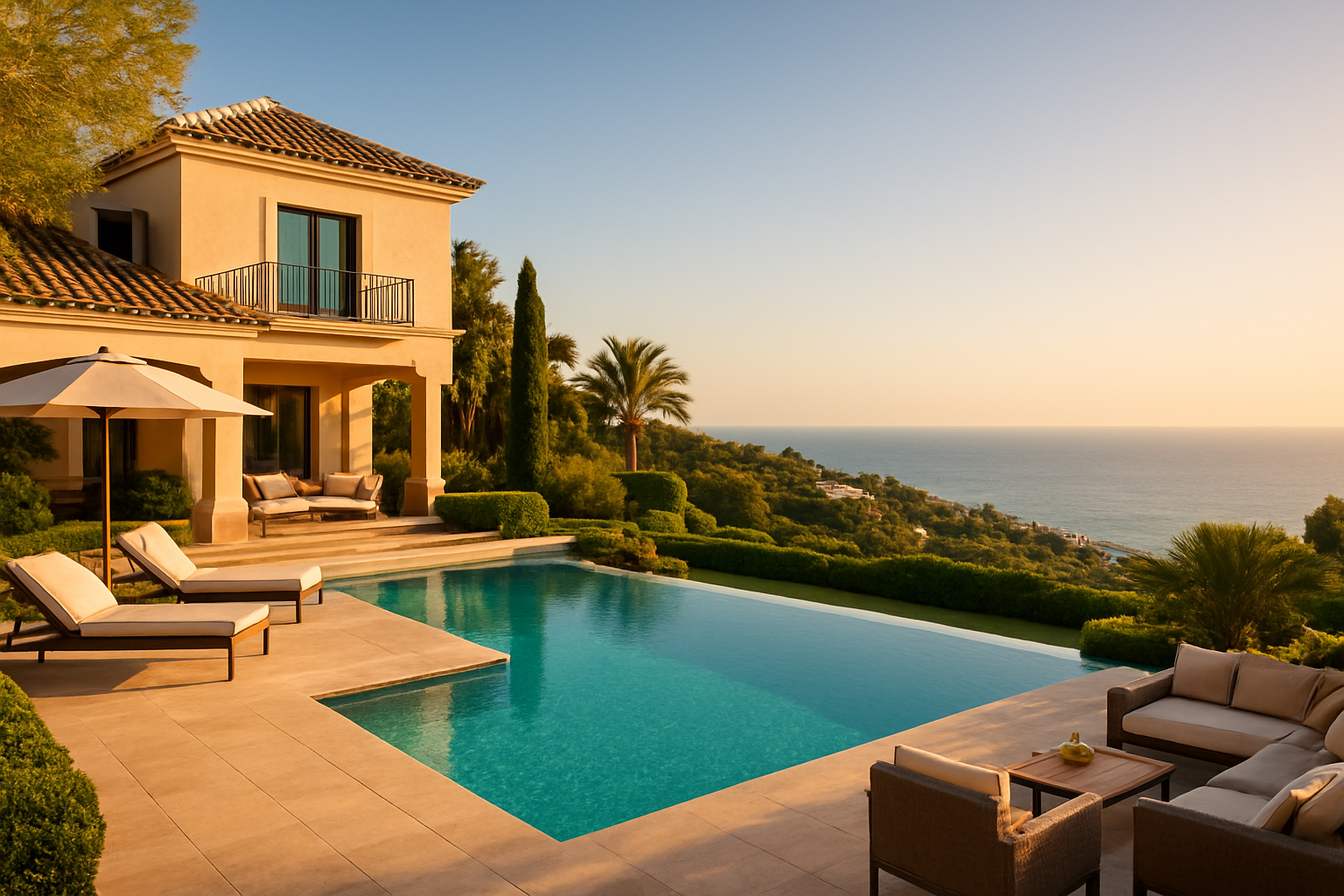
Visiting Marbella is enjoyable, but owning transforms the experience entirely. Your private pool, terrace, and flexible schedule mean you're not adjusting to hotel timings or sharing facilities — you're living the Marbella lifestyle on your own terms, every single visit. Marbella Hills, a co-owned share managed by MYNE, shows what that looks like in practice — from €149,000 for a 1/8 share.
Strong Rental Yield Potential During Peak and Shoulder Seasons
Now that we've covered personal enjoyment, consider the financial upside. Marbella's status as a premier tourist destination drives consistent demand for short-term rentals. High-end visitors pay premium rates for exceptional accommodation, meaning your property generates meaningful passive income while offsetting ownership costs — particularly strong during summer peak and shoulder seasons.
Lifestyle Appeal That Goes Beyond Holidays Into Long-Term Investment Thinking
Living in Marbella — even part-time — places you within a steadily appreciating real estate market across the Costa del Sol. Property values have shown consistent growth, making your ownership not just a lifestyle choice but a long-term wealth-building strategy rooted in one of Europe's most desirable coastal destinations.
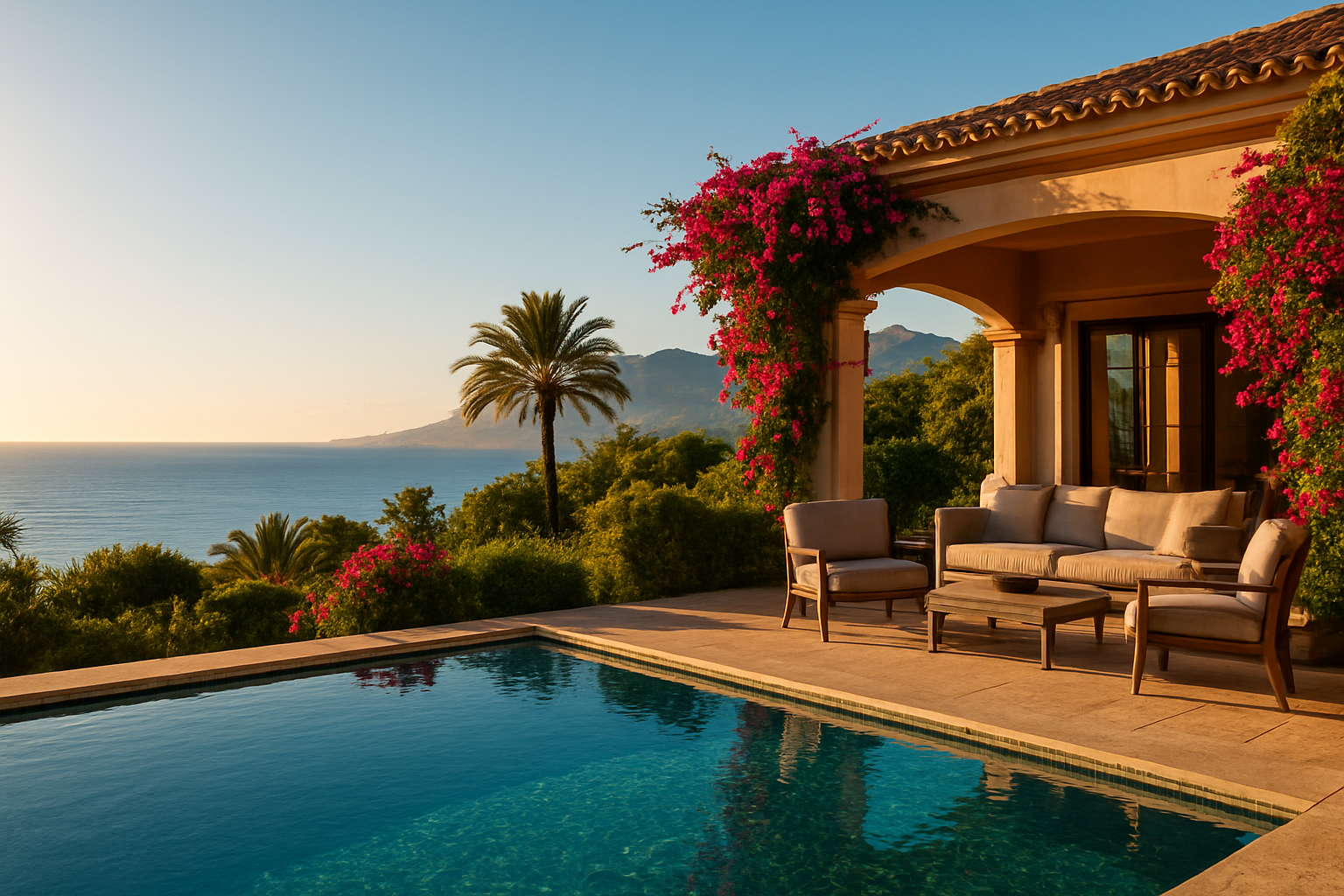
Marbella does not have a bad time to visit — it has different times, each with its own version of the place. Spring gives you warmth, value, and a town that feels like it belongs to you. Summer delivers energy, full beach club capacity, and the kind of spectacle that justifies the premium. Autumn — September in particular — hands you the best of both worlds: warm sea, retreating crowds, and restaurants you can actually get into. Winter, quieter and underrated, suits anyone who prefers a place to themselves and finds off-season charm more interesting than peak-season noise. Whatever you want from Marbella, the calendar has a month that will give it to you.
But the more time you spend here — across seasons, across moods, across the slow morning coffees and the late dinners that end at no particular hour — the harder it becomes to think of Marbella as somewhere you visit rather than somewhere you belong. A private villa changes the nature of every stay: your own terrace, your own pool, your own rhythm. If you have been visiting Marbella long enough to have a favourite month, a favourite table, a favourite view of the Sierra Blanca at dusk, co-ownership may simply be the more honest arrangement. Browse our collection of luxury villas in Marbella and find the one that fits your version of the place — whatever season that happens to be in.